He is a Gift 27
All the First Born of the People Take hold of the Counsel of Suicide
And as she has become a morning, every one of the Arch Priests and the Elder Ones of the People took hold of an advisory council against the Salvation, so as to condemn himself to death."And you will be led up to leaders": Pilatus - "Man of the Spear" (Matt. 10:18)
And those who have chained himself, they led away, and they handed over to Man of the Spear ("Pilate"), the Leader.51bHis Eyes are Opened
At that time, Caster, he who perceived, the one who is handing over himself because he was down separated, he who has regretted, rotated around the Thirty Silver Pieces to the Arch Priests and elder ones.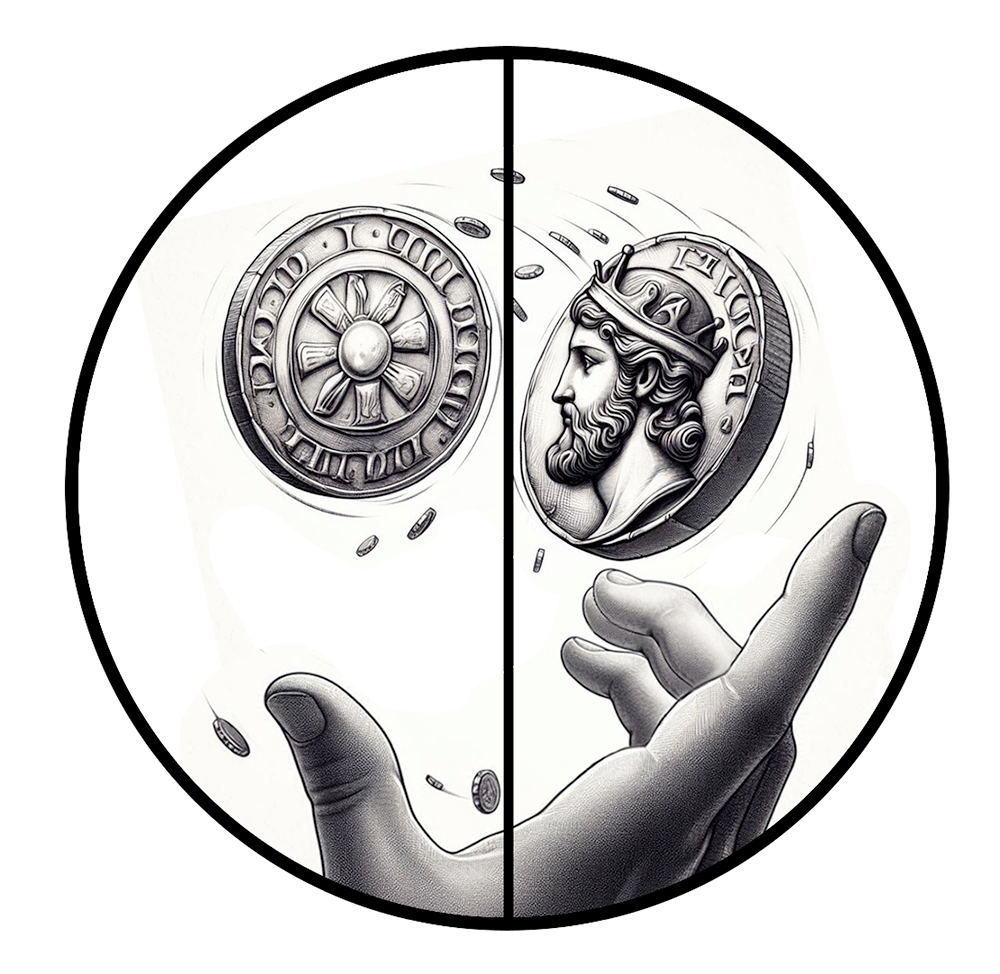
στρέφω (strefō): turning about or aside, as seen in examples like "turning horses" (Homer, Iliad 8.168, Odyssey 15.205), "turning a rudder" (Pindar, Fragment 40), and "turning oneself towards the sun" (Aeschylus, Prometheus Bound 708). It also denotes causing rotation on an axis, such as "turning the earth on a potter's wheel" (Herodotus 5.12) or metaphorically, turning laws and norms upside down (Plato, Gorgias 511a). The verb extends to figurative uses like overturning or altering significantly, as in "upsetting the laws" (Demosthenes 21.91) or "changing one's way of life" (Euripides, Medea 416).
I missed bad!
He who is saying, "I missed! He who has handed over innocent blood!" And the ones said, "What is toward ourselves? You, yourself will see!"ἀπήγξατο - Hanged Choked, Strangled (Wrong Head)
And he who has thrown the Silver Pieces into the Temple, he withdrew back. And he who went away, strangled.קרבן / κορβᾶν - Offering of Nearness
And the Arch Priests, those who have taken hold of the Silver Pieces, they said, "It is not allowed to cast themselves into the Nearness-Offering, since she is the price of blood."Those Not Taking Hold of the Bread
And those who have taken hold of an advisory council, they purchased from out of themselves the Field of the Potter into a burial for the Foreigners,through which the Field, that one, was summoned, a field of blood until the Today.
"I was a foreigner..."
ἕως τῆς σήμερον - Until the Today
διὸ ἐκλήθη - through/by which he was summoned
(e.g. aborted)
The Price of himself
At that time, it was filled up that which was spoken of straight across through He Is Lifting Up ("Jeremiah"), the Prophet, he who is speaking, "And they took hold of the Thirty Silver, the Price of the one who has been prized, him whom they held in honor away from sons of God Contends ("Israel"),and they handed over themselves into the Field of the Potter, just as a master jointly-put in order to myself."

A Left Hand Potter vs. a Right Hand Potter. Are you molding a good one, Cain?
"And he said toward themselves, "If it is a good one within the eyes of yourselves, give the wage of myself, and if not, stop!"
And they are weighing out the self eternal wage of myself, thirty silver.
And He Is saying toward myself, "Throw himself toward the Potter/Former, the majestic Valuable One whom I have valued above themselves." And I am taking her, thirty Silver, and I am throwing his eternal self in the house of He Is toward the Potter/Former."
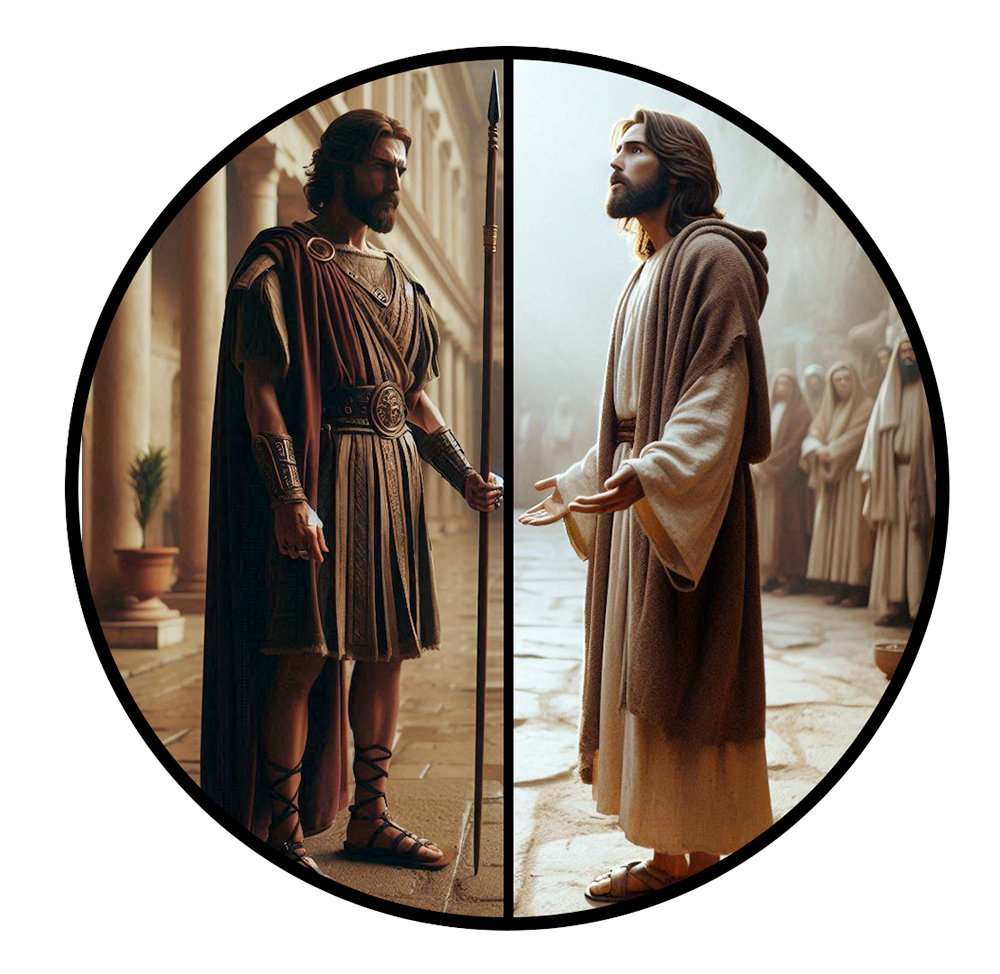
And the Salvation stood ready in front of the Leader, and the Leader questioned himself, he who is saying, "Are you, yourself the King of the Casters?" And the Salvation kept bringing to light, "You, yourself are speaking!"
The Being Accused
And within the Accusing of himself under the Arch Priests and Elder Ones, he separated nothing.At that time, the Man of the Spear is speaking to self, "Do you not hear how many things they are testifying down against yourself?"
And he did not separate toward self, not even one saying, insomuch as to marvel at the Leader exceedingly.
Setting Free Only One
And down to a feast, the Leader had been accustomed to setting free one captive to the Multitude, whom they were desiring.A Tale of Two Jesuses
And they were holding at that time, a distinguished captive, he who is called Salvation Son of AbbA ("Jesus Barabbas").what is a son of a father who is "cut asunder"?
a son of Ab | bAa weeping one | a gnashing oneTherefore while they, themselves brought together, the Man of the Spear said to themselves, "Who do you wish I should release to yourselves? Salvation the Son of AbbA or Salvation, the one who is called Anointed One?"52
Handed over because of an Envy
For he had seen that because of envy they handed over himself.Suffering in a Nightmare..."There is no Woman to yourself!"
And while he, himself is sitting on the Moment, the Woman of himself sent away toward himself, she who is saying, "There is nothing/zero to yourself and to the Just One, that one, for I have been acted upon/suffered multitudinous things today, according to a dream, because of himself!"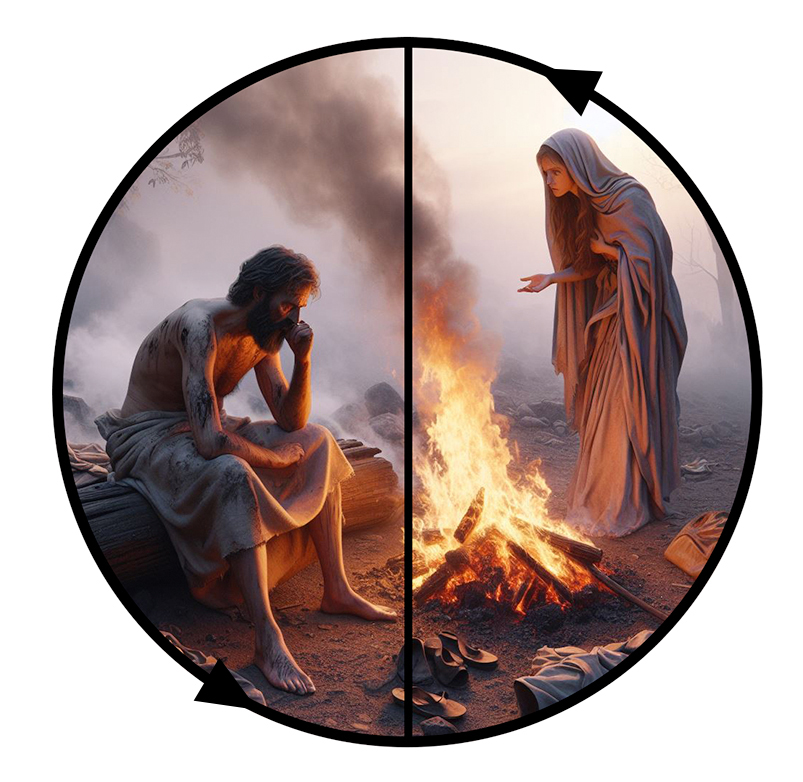
βῆμα - a step, a pace, a stride (from βαίνω = to step/go)
→ figuratively: a discrete unit in a process
→ abstracted in philosophy as "a moment" or "phase"
→ extended to platform, tribunal
To “sit upon the βῆμα” is to occupy a position of judgment, revelation, or transition, whether in the lawcourt, in public life, or within the metaphysics of being.
πείθω - Peitho - Goddess of Persuasion
And the Arch Priests and the Elders persuaded the Multitude so that they should ask for the Son of AbbA ("Bar-abbas"), and the Salvation they might destroy away.
Persuasion, beauty, charm, and seduction.
Rhetoric and the power of of words.
"'I have waved to and fro the bed of myself, with myrrh, aloes, and cinnamon bark. Walk, we will be soaked, beloved ones, until the Dawn, we will leap for joy within the loved ones! For there is not a Man within the house of himself, he has walked within a road from a remote place. He has taken a bag of the Silver within a hand of himself, for on the Day of the throne he is coming to the house of himself!'
She stretched him out in the abundance of her persuasion, within the portion of the lips of herself, she is driving him out."
Two Trees
And he who has been separated, the Leader, said to themselves, "Who do you desire that I should set free away from the Two to yourselves?" And the ones said, "The Son of AbbA!"σταυρόω - to fence with pales
The Man of the Spear is saying to themselves, "Therefore what should I make of Salvation, the one who is spoken Anointed One?" They are all saying, "Fence with Stakes!"What Evil did he Make?
And he kept bringing to light, "For what evil has he made?" And they were cawing out beyond measure all around, those who are saying, "Fence with Stakes!""For multitudes of pierced ones she has caused to fall, and a mighty throng are all the slain of herself. The roads of Sheol in the house of herself are descending stairs toward the Inner Rooms of death!"
(Proverbs 7:26-27 RBT)Taking hold of "water"
And the Man of the Spear, he who has perceived that he is profiting nothing, but rather a noisy clamour is becoming, he who has taken hold of water, he washed the Hands opposite to the Multitude, he who is saying,"I am innocent, away from the Blood of this one! You, yourselves will perceive!""so that herself he might make holy, he who has cleansed by the Bathing of the Water within a saying. "
(Ephesians 5:26 RBT)Let us be covered by his blood!
And he who has been separated, all the People, said, "The Blood of himself upon ourselves! And upon the Children of ourselves!"At that time, he set free to themselves the Son of AbbA, and he who blockaded the Salvation,52a handed over so that he might be fenced with stakes.
πραιτώριον - Praetorium, Command Post, Military Headquarters
At that time, the Soldiers of the Leader, those who have taken in the Salvation, they led together into the Military Headquarters upon himself, the Entire Coil.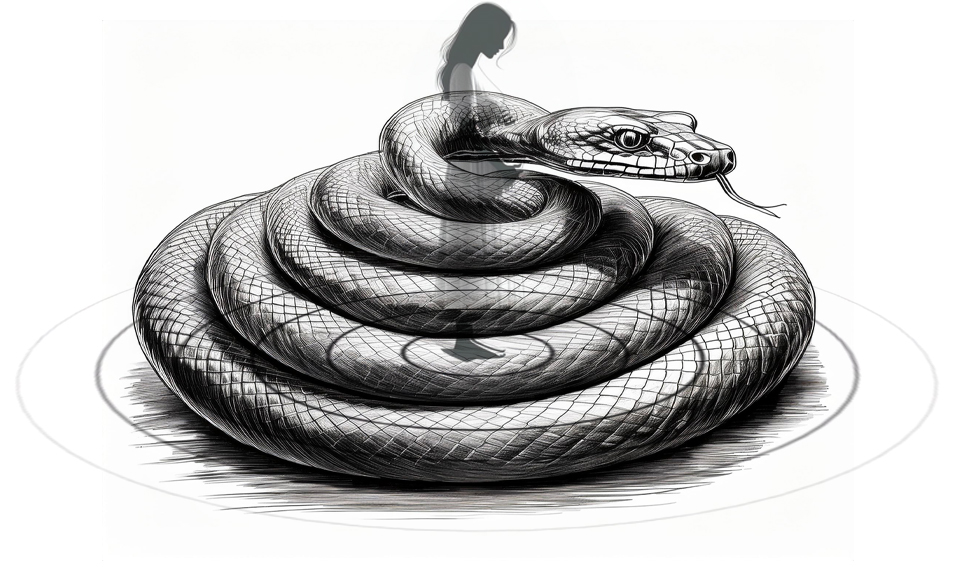
- Anything twisted or coiled, e.g., nets (Ant. 346), hair braids (Poll. 2.31), snake coils (Aratus 446).
- Boxing straps (Theoc. 22.80), head ring for load-bearing (Apollod. 2.5.11).
- Ship’s drag rope used to slow down (Plut. garrul. 10).
- Base of a column.
- Wood grain where fibers twist.
- Roman military unit, cohort or manipulus. A cohort had around 500 soldiers. (Polyb. 11.23.1; NT Acts 27:1).
Naked and Shamed
And those who have stripped himself bare, they placed around about self a kermes-scarlet-colored chlamys.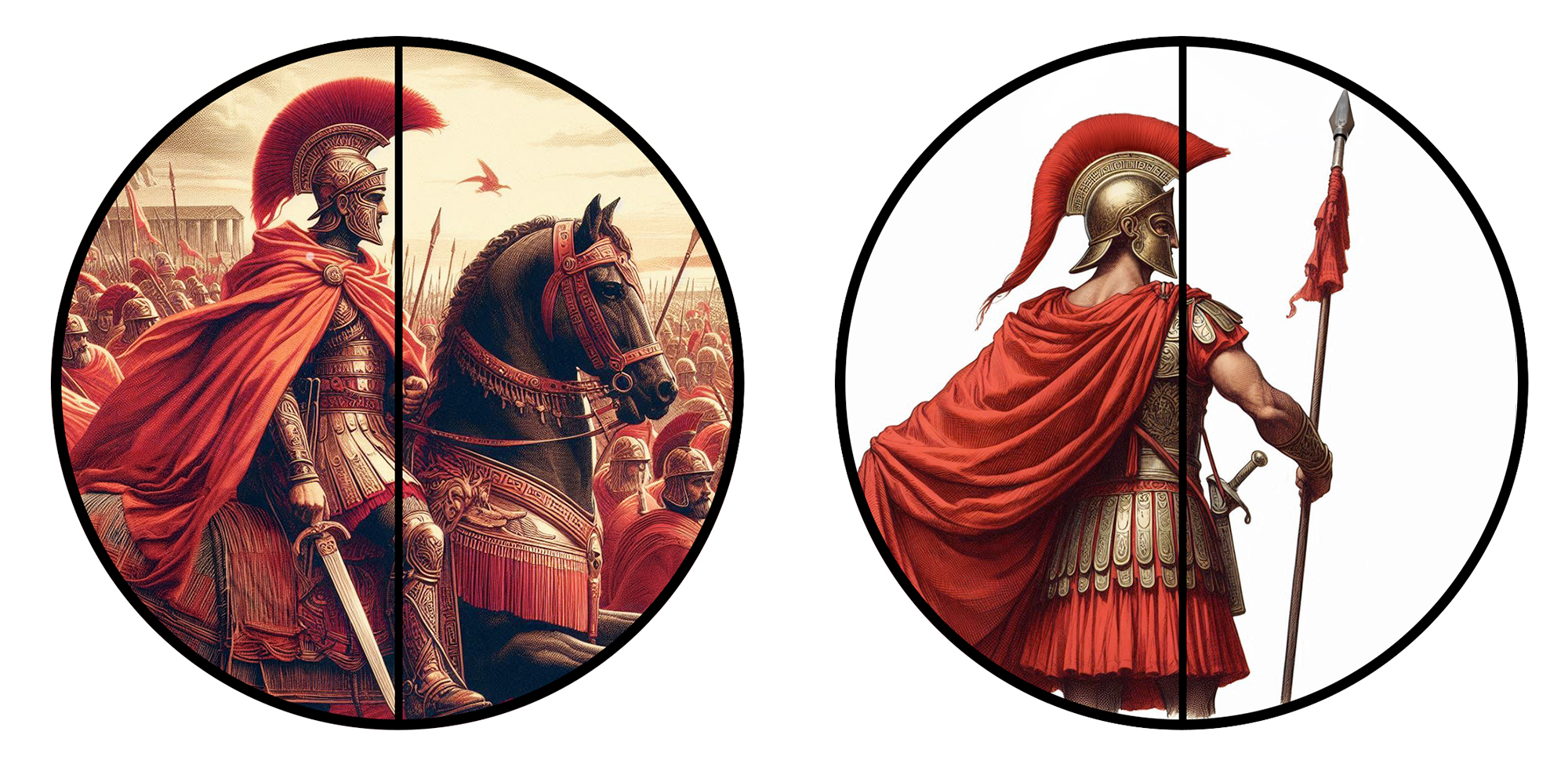
The accusative singular form of χλαμύς (chlamýs), a type of short cloak or mantle worn by men in ancient Greece. Typically made of wool and fastened at the shoulder with a brooch or pin, the χλαμύς was especially associated with military and horseman use. It was commonly worn by soldiers and cavalrymen for its practicality in battle and ease of movement, allowing for quick dismounts and flexibility. This garment was an important element of military attire and was also used by hunters and travelers. For detailed descriptions of its use in military contexts, see Xenophon’s Cyropaedia and Aeschylus’s Agamemnon.
κόκκινος - Kermes Dye. Kokkinos is a red dye derived from the dried bodies of female scale insects in the genus Kermes, primarily Kermes vermilio. This dye has been used since ancient times and is valued for its vibrant color. See Kermes (dye).
Tamar, Dinah
And those who have braided together a wreath crown from out of thorn bushes, they imposed upon the Head of himself,53 and a reed within the Right Side of himself, and those who have fallen on the knees in front of himself, mocked self, those who are saying, "Rejoice! King of the Casters!"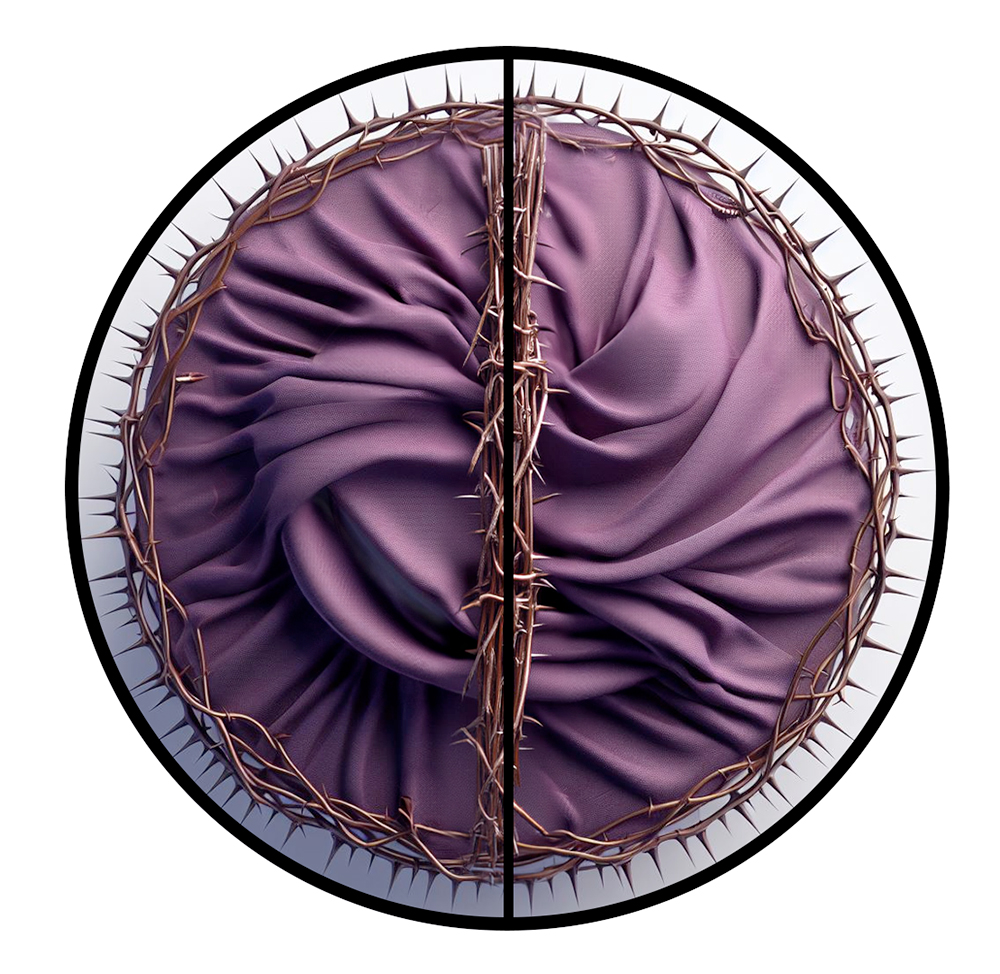
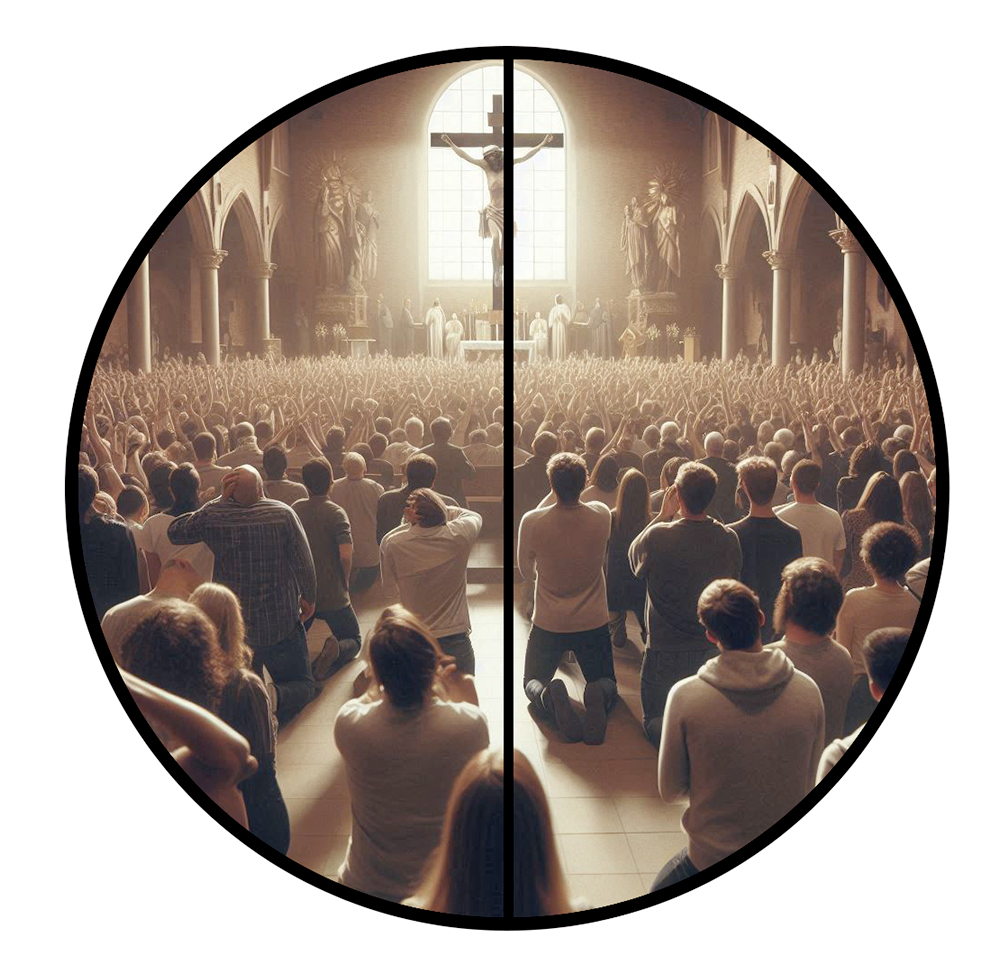
And those who have spat into himself, took hold of the Measuring Reed, and they kept beating into the Head of himself.
Sheep into a Slaughter
And when they mocked self, they stripped himself of the Chlamys Robe, and they put on himself the Outer Garments of himself, and they led himself away into the Fencing with Stakes.Cyrene the Huntress: "a champion in the leafy forest with lionslaying hands" (Nonnus, Dionysiaca 25. 180 ff)
And those who are going out, they found a Man of the Huntress ("Cyrenian"),54 named Hearing ("Simon"), this one they pressed into service so that he might raise up the Stake of himself.And those who have come into a place, he who is called, Rolling Skull ("Golgotha"), which is being called a place/position of a Skull,
A word no one wants to read
they offered to self to drink a wine, he who has been mingled in company with bitter-gall, and he who has tasted did not want to drink.Cleromancy
And those who have fenced with stakes himself, divided up the Outer Garments of himself, those who are casting a lot.54aAnd those who are sitting down, kept watching over himself in that place.
And they laid upon the top of the Head of himself the Cause of himself, she who has been etched/engraved, "This one is Salvation, the King of the Casters."
At that time, two plunderers/pirates are being fenced with stakes in sync with self, one from out of right-sides and one from out of "good-disguised left" ones.
And those who are going alongside, they were blaspheming himself, those who are removing the Heads of themselves.
Done.
And those who are saying, "The one who is overthrowing the Temple, and within three Days, he who is constructing! Save your own self, if a son you are, of the God, and climb down away from the Stake!"In the same way also the Arch Priests, those who are mocking in company with the Scholars and elder ones, kept saying,
"He saved others, his own self he is not able to save! He is a king of God Contends, let him climb down away from the Stake, and we will trust upon himself!
He has been persuaded upon the God, let him draw out if he is desiring himself! For he said that I am of God, a son!"
"And Inner Sunlight ("Samshon") is clasping the self eternal two of the pillars in the Center of which is the Household, he who is erected/set up against themselves. And he is leaning upon themselves, one within the right side of himself and one within the left of himself.
And Inner Sunlight is saying, "She is dying, the Soul of myself, in company with the Dual Wallowers!" And he is stretching out in power, and the Household is falling upon the Sullen Lords, and upon all the Gathered People who are within himself. And they are becoming the Dual Dead Ones, whom he killed in the death of himself, multitudes more than he killed in the living ones of himself.
And the brothers of himself are descending, and the whole house of the father of himself. And they are lifting his eternal self, and they are climbing up, and they are burying the eternal sign of himself [אות] between Hornet and God's Woman [אשת-אל] in a burial grave of Resting Place, the father of himself..."
And the Self, also the Plunderers, the ones who have been staked in sync with self, they kept casting in the teeth/abusing himself.
for Three Hours
And away from a sixth seasonal time, a dark one has become upon all the Earthly One until a ninth seasonal time.אלי אלי Elijah Elijah! You Left Me Behind!
And around the Ninth seasonal hour, the Salvation raised a cry in a mega voice, he who is saying, 'Eli Eli! Lema sabachthani?' that is, 'God of myself, God of myself, why have you left behind myself!?'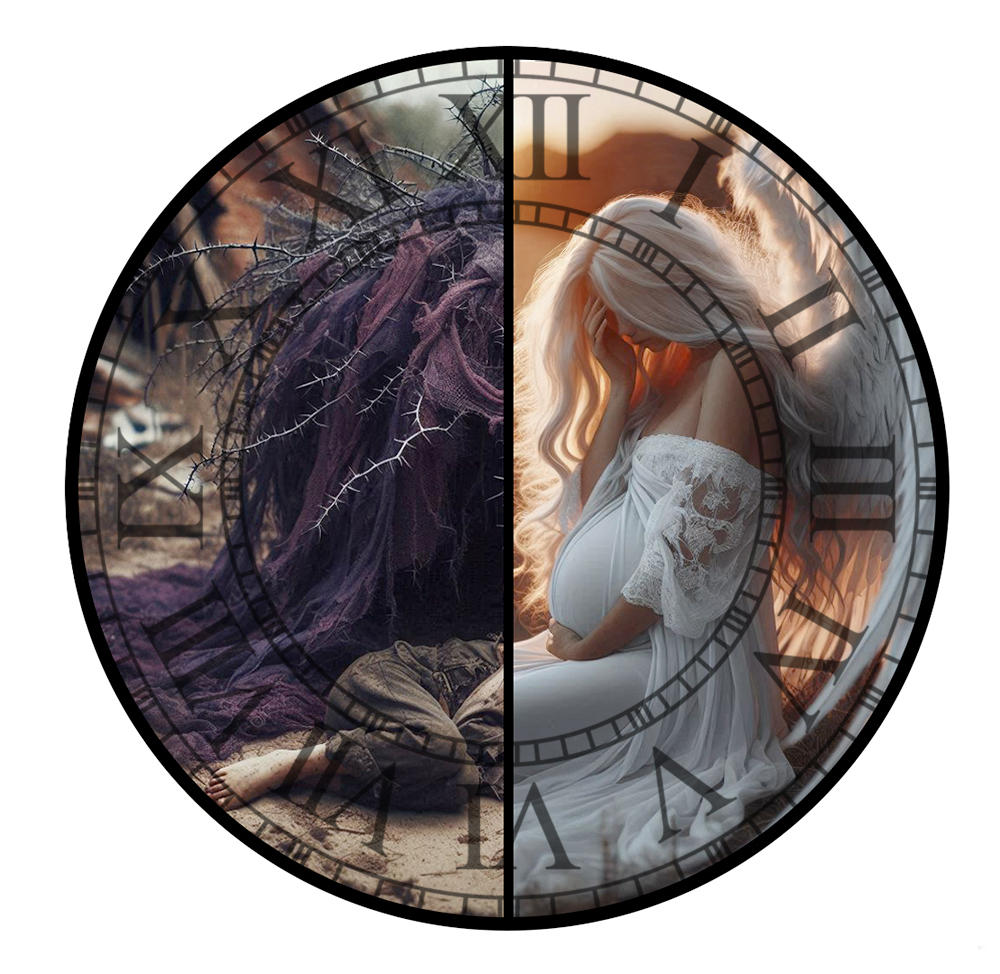
"And she is walking, and she is sitting to herself from anti/opposite, a distance according to the breadth of the bow, for she has said, "Let me not see in the death of the Child!" And she is sitting from the opposite to herself, and she is lifting up the self eternal voice of herself, and she is weeping. And mighty ones is hearing the self eternal voice of the Boy. And an angel of mighty ones is summoning toward the Foreigner ("HaGar") from out of the dual Heavenly ones, and he is saying to herself, "What is to yourself, the Foreigner? Do not fear! For mighty ones has heard toward the voice of the Boy within whom he has set himself!""
(Genesis 21:16-17 RBT)And certain ones of those who have stood up there, those who heard, they kept saying that this one is crowing for God is Himself ("Elija-hu").
He who Ran
And immediately, he who ran, one from out of themselves, and he who has taken hold of a sponge, he who has filled up both of poor sour wine, and he who has set all around a reed-pen/measuring rod, kept giving to drink himself.
"And Beloved is he who is sitting in between two the Gates. And the Watchman is walking toward the roof of the Gate, toward the Wall. And he is lifting his self eternal eyes, and he is seeing, and behold! a man who runs to the separation of himself!
And the Watchman is summoning, and he is opposite to the King, and The King is saying, 'If to the separation of himself, glad tidings are in the mouth of himself.' And he is walking, he who walks, and he drew near.
And the Watchman is seeing the man who runs behind, and the Watchman is summoning toward the Gate, and he is saying, "Behold! a man who runs to the separation of himself!" And the King is saying, 'This one also is he who bears tidings.'"
And the Remaning Ones kept saying, "Send away! Maybe we will perceive if God is Himself ("Elija-hu") is coming, he who will save himself!"
And the Salvation, he who cawed backward in a mega voice, he sent away the Spirit.
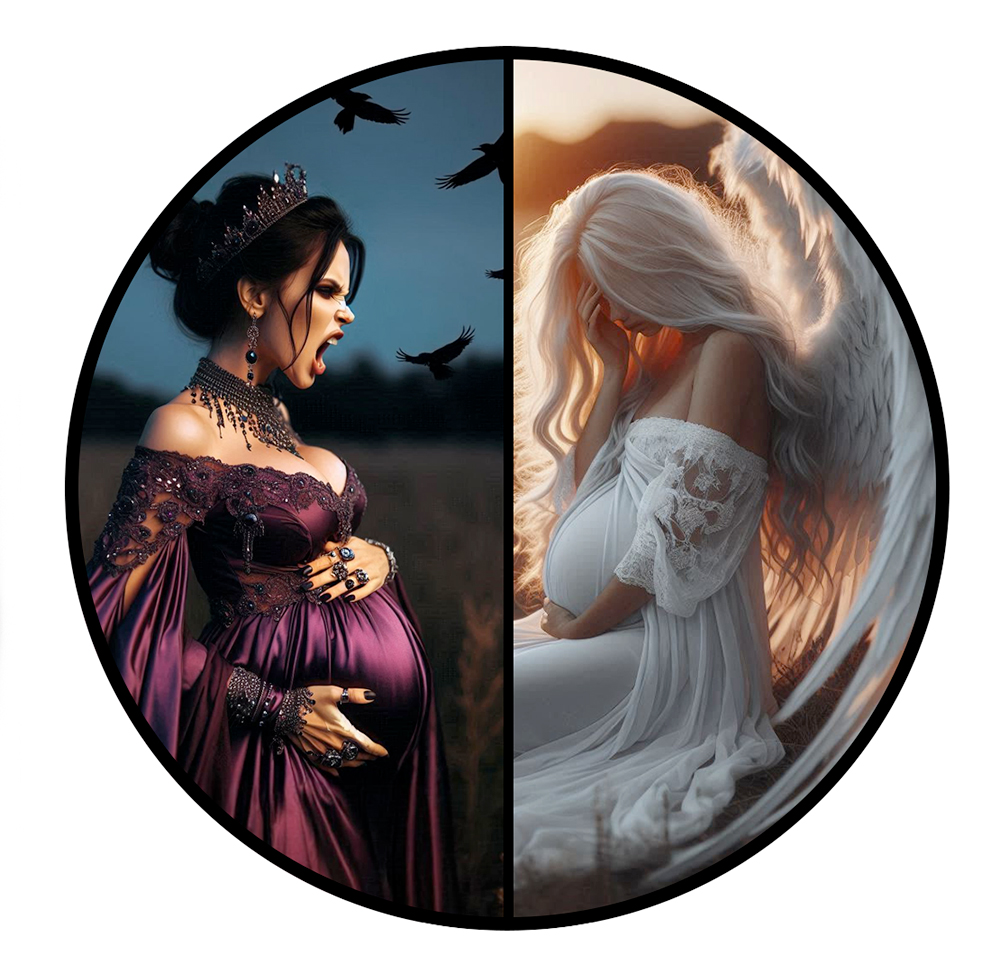
"And Contentious Woman is seeing the self eternal son of the Foreigner ("HaGar") of Dual Siege, whom she has borne to Father of Multitude, is he who laughs.
And she is saying to Father of Multitude, "Drive out the Maidservant of This One, and the self eternal son of herself! For the son of the Maidservant of This One is not taking possession in company with the son of myself, in company with He Laughs ("Isaac")!" And the Word is being exceedingly evil within the dual eyes of Father of Multitude, on account of the Causes of the son of himself."
Lifting the Eyes: The Waters Above, Waters Below
And behold! the Downward Spread Inner Curtain of the Temple was split away from above until down below into two, and the Earthly One was shaken to and fro, and the Rock Cliffs were split!"And Books were Opened..."
And the Memorials were opened, and multitudinous bodies of the Holy Ones who have fallen asleep, awakened!And those who have come out from the Memorials after the Awakening of Himself, they entered into the Holy City and were made manifest to multitudes.
In a Watching
And the Captain of a Hundred ("Centurion") and the ones in company with himself, those who are watching over the Salvation, those who have perceived the Earthquake and the things which have become, they feared extremely, those who are saying, "Truly of God this one was being a son!"And multitudinous women kept being in that place, those who are observing attentively from a remote distance, anyone who accompanied the Salvation away from the the Circuit, those who are ministering to self.
Four Within
Within those whom Bitter-Rebel the Watchtoweress ("Magdalene") and Bitter-Rebel, the one of the Heel-Chaser ("James"), and a mother of He Adds ("Joseph") and the Mother of the sons of Endowment ("Zebedee") was being.τοὔνομα = το ὄνομα = The Name
And as she became a late one, a wealthy human came away from Dual-Exalted Height,55 the Name He Adds ("Joseph"), who also, he, himself was trained to the Salvation.This one, he who has drawn near to the Man of the Spear, demanded the Body of the Salvation. At that time, the Man of the Spear urged to be given back.
And he who has taken hold of the Body, the He Adds, he wrapped self within in a pure linen cloth.
And he placed self within the New One of himself, a memorial, which he had quarried out56 within the Rock Cliff. And he who has rolled up a mega stone to the Door of the Memorial, went away.
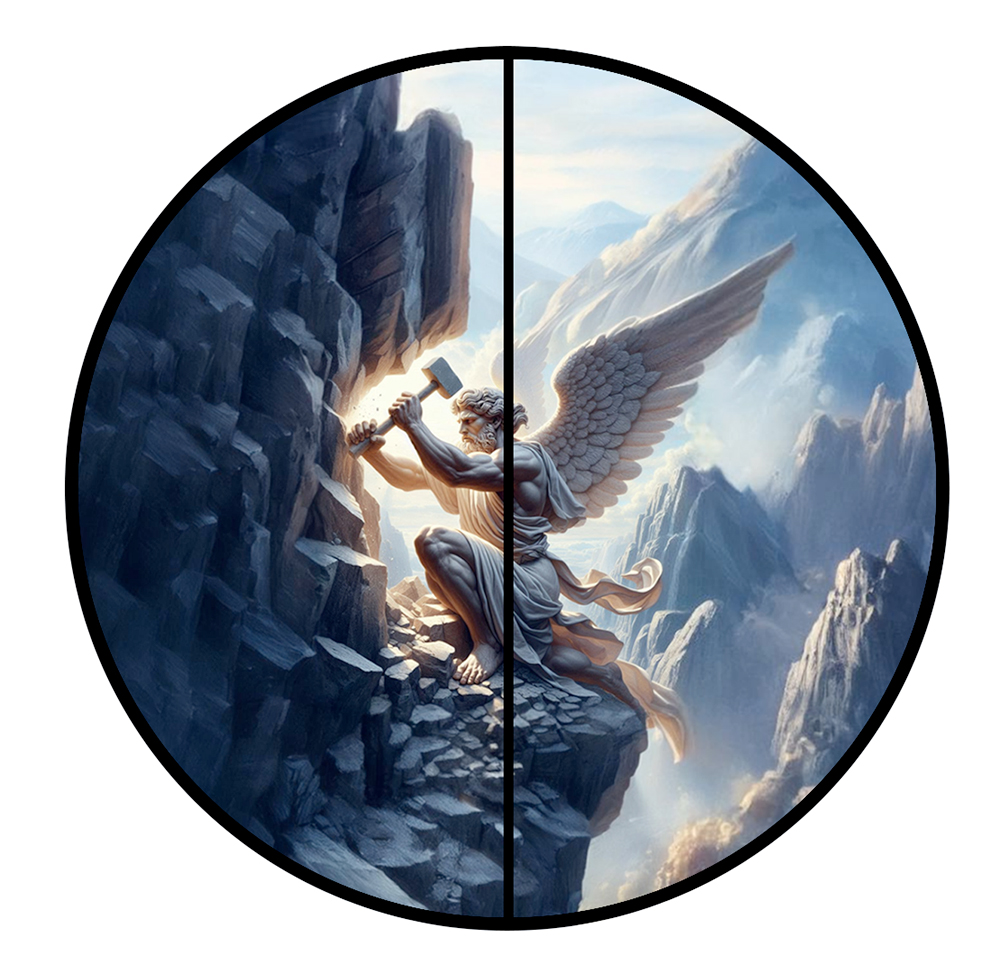
"Is not in this way the word of myself like a fire? He Is he who whispers, and like a hammer he is breaking in pieces the rocky cliff!"
(Jeremiah 23:31 RBT)
"And Noble Princess, a woman of Exalted Father, has not given birth to himself. And to herself is a maidservant, a siege-enclosure ("Mitzrit"). And a name of herself is the Foreigner ("HaGar").
And Noble Princess is saying toward Exalted Father, "Behold! Please, He Is has shut in myself from childbirth! Come in, please! toward the Maidservant of myself! Perhaps I am being built up from out of herself!" And Exalted Father heard the Voice of Noble Princess."
And she kept being in that place Bitter-Rebel the Watchtoweress and the Other Bitter-Rebel, those who are sitting down opposite to the Burial Rite.
And on the Tomorrow, anyone who is in company with the Prepared One, the Arch Priests and the Separatists jointly led toward Man of the Spear,
those who are saying, "Master, we remembered that that Imposter said, he who is still living, 'Beyond three days I am being awakened.'

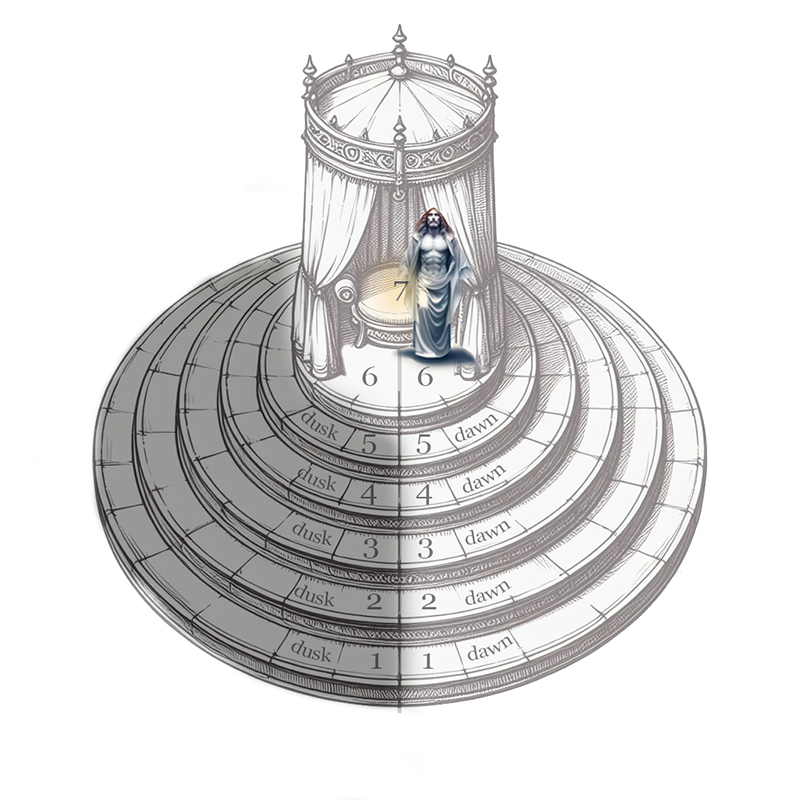
κλέψωσιν - Stealing Judgement, Psychological Manipulation, Theft by Persuasion
Therefore command that the Burial-Ritual be fortified until the Third Day, so that those who came, the Learners, should never steal away himself and say to the People, He was woken up away from the Dead Ones, and she will be, the Last Wandering, a worse one than the First One!"
The phrase Πάρφασις, ἥ τ’ ἔκλεψε νόον (“Persuasion, who stole the mind”) occurs within the Dios apate episode of Iliad 14, where Hera seeks to seduce Zeus and lull him into a divine sleep to allow the Achaeans a tactical advantage in battle. She uses Persuasion (Πάρφασις), personified as a divine force or power, as one of her tools in this stratagem. The verb ἔκλεψε ("stole") here governs νόον ("mind" or "intent"), capturing the idea that Hera’s charm does not merely attract but subtly overcomes the will or rational faculty of Zeus.
κουστωδίαν - This Custodia
The Man of the Spear kept bringing to light to themselves, "You are all holding a custodia! Bring under, fortify as you have known!"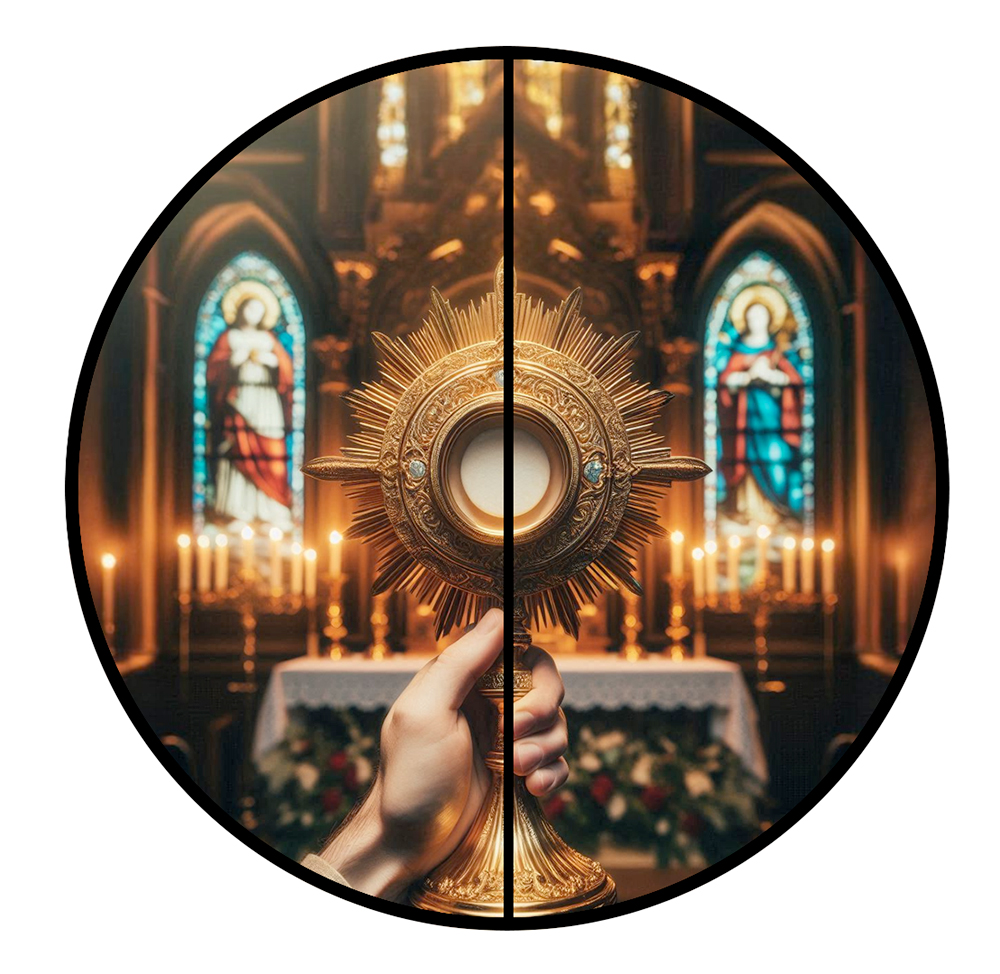
κουστωδία is from the latin word custodia
A custodia is the receptacle used for the Eucharist, (called "blessed sacrament/literal presence"). The term "custodia" denotes the vessel or container used to hold the consecrated Host (the Eucharist). This includes the monstrance or ostensorium, where the Host is displayed for adoration.
(cf. Catholic Dict., Liturgical Custodia - Wikipedia)And the ones who have transferred across, they fortified the Burial-Rite, those who set a signet-seal upon the Stone in company with the Custodia.

σφρᾱγίζω (sphragizó) primarily means "to close or enclose with a seal." This includes sealing documents or containers to secure their contents (e.g., Euripides' Iphigenia in Aulis 38, LXX Bel. 14), authenticating documents (e.g., IG 9(1).61.78,95), certifying objects after inspection (e.g., PRev.Laws 25.10, Wilcken Chr. 89.5), and indicating pledging (e.g., Plutarch, Pompey 5). It can also refer to making an impression with a seal for various purposes (e.g., Aristotle, Memorabilia 450a32).
Footnotes
Man of the Spear
The Greek name Πειλᾶτος is a transliteration of the Latin Pilatus, a Roman cognomen likely derived from pilum (“spear, javelin”), suggesting “man of the spear” or “armed with a javelin.” It reflects a typical Roman naming convention and possibly denotes military background or honorific status. The full name, Pontius Pilatus, places him within the Pontii gens, a well-attested Samnite-origin family in Roman history.
ἡγεμών - one who leads, guide, one who does a thing first, shows the way to others
(cf. LSJ ἡγεμών I.2)
The full "Jesus Barabbas" is found in some of the earliest manuscripts. Some translations include the full name, while most translations leave it out.
There is considerable, though not quite decisive, evidence in favour of the reading which gives “Jesus Barabbas” as the name of the prisoner.
(Ellicott Commentary)
Origen mentions that in some MSS. this man bore the name Jesus, an identity of name which makes the contrast of character all the more striking.
(Expositors Greek Testament)
It is a strange fact that in some (not very trustworthy) manuscripts the name is given as Jesus Barabbas, which affords a remarkable antithesis in Pilate's question in the following verse, "Wilt ye that I release Jesus Barabbas or Jesus called Christ?" There can be no reasonable doubt that the prefix is not genuine, but has crept into some texts inadvertently. Matthew 27:16
(Pulpit Commentary)
Some were of the thought that verse 20 was "fatal" to the "insertion":
As Alford remarks, Matthew 27:20 is fatal to the insertion.
(Cambridge Bible for Schools and Colleges)
The NET Bible includes it since, as the argument goes, there is very good reason (obviously) for a religious scholar to want to omit it, but it would hardly be something added by one:
There is no good explanation for a scribe unintentionally adding ᾿Ιησοῦν (Iēsoun) before Βαραββᾶν (Barabban), especially since Barabbas is mentioned first in each verse...Metzger notes that codex S, a tenth-century majuscule, along with a score of minuscules, have a marginal comment on this verse as follows: “In many ancient copies which I have met with I found Barabbas himself likewise called ‘Jesus.’” The attribution of this scholium is variously given as Anastasius, Chrysostom, or even Origen (TCGNT 56).
(NET Bible Notes on Matthew 27:16)
Omission is strongly motivated
Scribes would have a clear reason to remove the name “Jesus” from “Barabbas,” namely:
- reverential avoidance
- discomfort with a criminal sharing the Lord’s name
- liturgical scruples
- fear of blasphemous misunderstanding
Origen explicitly states that copyists altered it “out of reverence.”
Thus the omission is very explainable.
It is very difficult to imagine a scribe accidentally adding Ἰησοῦν before Βαραββᾶν, because:
- Barabbas appears first in v. 16 and 17
- no immediate orthographic trigger for dittography
- no parallel text with “Jesus Barabbas” to borrow from
- scribes do not typically invent “the name Jesus” without reason
Thus the addition is not an easy scribal error.
Ironically, the NET Bible just a couple of verses later adds in a word that doesn't exist in the Greek: "his wife sent a message." (v.19). They admit this in their notes:
The word “message” is not in the Greek text, but is implied. Direct objects were frequently omitted in Greek when clear from the context.
Ironic.
The term φραγελλώσας is derived from the verb φραγελλῶ, which suggests the idea of "barricading" or "blocking," rather than "scourging."
Although it might appear similar to φραγελλόω (the verb for "to scourge" or "to whip"), which would refer to the act of whipping or punishing with a scourge, the form φραγελλώσας reflects an action of obstruction rather than physical punishment. This distinction highlights the importance of context when interpreting verb forms, especially when there are similar-looking roots that may convey very different meanings. Scholars have linked the Greek φραγελλόω to the Latin verb flagellare (meaning "to whip" or "to scourge"), based on phonetic similarity and shared meaning in the context of punishment. However, φραγελλώσας is more likely to refer to a different concept, such as "blocking" or "barricading."
A related word φραγμός (meaning "fencing in" or "blocking up") provides further insight into the semantic range of the root φραγ-. This word appears in contexts such as a fence or paling (e.g., Xenophon's Cyn. 11.4), intestinal obstruction (Cael. Aur. CP 3.17), and fortifications (e.g., Herodotus 7.36), as well as metaphorical uses such as "partition" (Ephesians 2:14). The connection to φραγμός suggests that the root of φραγελλώσας could primarily be understood in terms of obstruction or enclosure rather than physical punishment.
Greek ἐπέθηκαν ἐπὶ τὴν κεφαλὴν αὐτοῦ imposed upon the Head of himself. Here, the noun "the Head" is in the genitive case, i.e. "over the Head" or "on account of" as opposed to John 19:2 where it is in the dative "laid upon the Head"
Cyrene in Greek mythology is a huntress nymph known for her beauty and hunting skills, who was abducted by Apollo and taken to North Africa. The city of Cyrene, founded by Apollo in her honor, reflects her significance in Greek mythology and the cultural impact of her story.
"a champion in the leafy forest with lionslaying hands" (Nonnus, Dionysiaca 25. 180 ff)
Cleromancy
The phrase βάλλω κλῆρον (“to cast lots”) refers to the ancient practice of cleromancy, a form of divination in which outcomes were determined by drawing or throwing marked objects such as stones, sticks, or tablets. In Greek religious tradition, this practice was associated with Hermes, who, as a god of fate, luck, and communication, was believed to oversee the distribution of lots (Euripides, Fr. 39). In the biblical contexts, lot-casting similarly functioned as a means of discerning divine will, as seen in the assignment of land (Joshua 18:10) and the selection of Matthias (Acts 1:26).
This effectively created a connection between random circumstances and divine will. Or, one might say, gave divine meaning or purpose to otherwise random outcomes. While the act itself seems based on chance, it was widely believed that the outcome was guided by a higher power—whether Hermes in Greek tradition or God in biblical contexts.
This reflects the (ancient) worldview that chance is not truly random but rather a means through which the divine revealed its intentions. By casting lots, people surrendered human decision-making to the gods, trusting that fate or divine will would manifest through what appeared to be an arbitrary process.
Casting lots was a ritualized way of interpreting divine guidance through seemingly random events, bridging the gap between uncertainty and supernatural order.
Strongs #G707. The term Ἁριμαθαίας (Harimathaias) in Greek is derived from the Hebrew ארמיתים (Arimathaim). The Hebrew name ארמיתים is believed to be a compound of:
- ארמי (armi) – meaning "high" or "exalted," from the Hebrew רמה (a height)
- תים (tayim) – the dual suffix indicating "two," suggesting a place with a dual or two-fold aspect.
τοὔνομα is a crasis (phonetic contraction) of the article τὸ and the noun ὄνομα (“name”), forming τοὔνομα (“the name”). Though it may appear to function adverbially in some contexts (e.g., in idiomatic phrases or elliptical constructions), it is morphologically and syntactically a neuter singular noun, not an adverb. It retains full nominal properties—declining regularly and serving as subject, object, or predicate nominative in the sentence. For example, τοὔνομα αὐτοῦ Ἰωάννης (“the name of him [was] John”) clearly demonstrates its use as the grammatical subject.
Strongs #G2998 λᾱτομέω active form means "to quarry" and is used in various contexts:
- Quarrying earth: Found in Poseidon 57 J.
- Quarrying rock: Referenced in IG 42(1).122.25 (Epid.), Diodorus Siculus 5.39.
- Quarrying stones: Mentioned in PCair.Zen. 499.38 (3rd century B.C.), Antigonus Mir. 161.
- Used absolutely (without direct object): Seen in PCair.Zen. 296.34 (3rd century B.C.), Agatharchides 25, Josephus AJ 8.2.9.
- Passive form: "λελατόμηται" found in PPetr. 2p.12 (3rd century B.C.); and in the phrase "τὰ -ούμενα θραύματα" (quarried fragments) in Diodorus Siculus 3.12.
Additionally, the term is used to mean "hew out a pit" as seen in the LXX (Septuagint) in Exodus 21.33 and Deuteronomy 6.11 (in passive form).