Chapter 7
 Song of Solomon 7:14

הדודאים
הַדּוּדָאִים
the Mandrakes
1736
| דודי
dûwday
Definition: a boiler or basket; also the mandrake (as an aphrodisiac)
Root: from H1731 (דוד);
Exhaustive: from דוד; a boiler or basket; also the mandrake (as an aphrodisiac); basket, mandrake.
dûwday
Definition: a boiler or basket; also the mandrake (as an aphrodisiac)
Root: from H1731 (דוד);
Exhaustive: from דוד; a boiler or basket; also the mandrake (as an aphrodisiac); basket, mandrake.
9009
ה
None
Definition: the
Root: None
Exhaustive: definite article, the, used for all numbers and genders; originally a pronoun demonstrative, this. interrogative particle in direct and indirect questions; in disjunctive questions: whether--or.
None
Definition: the
Root: None
Exhaustive: definite article, the, used for all numbers and genders; originally a pronoun demonstrative, this. interrogative particle in direct and indirect questions; in disjunctive questions: whether--or.
Particle definite article, Noun common masculine plural absolute
נתנו
נָתְנוּ־
they have given
9014
| ־
None
Definition: link
Root: None
Exhaustive: None
None
Definition: link
Root: None
Exhaustive: None
5414
נתן
nâthan
Definition: to give, used with greatest latitude of application (put, make, etc.)
Root: a primitive root;
Exhaustive: a primitive root; to give, used with greatest latitude of application (put, make, etc.); add, apply, appoint, ascribe, assign, [idiom] avenge, [idiom] be (healed), bestow, bring (forth, hither), cast, cause, charge, come, commit, consider, count, [phrase] cry, deliver (up), direct, distribute, do, [idiom] doubtless, [idiom] without fail, fasten, frame, [idiom] get, give (forth, over, up), grant, hang (up), [idiom] have, [idiom] indeed, lay (unto charge, up), (give) leave, lend, let (out), [phrase] lie, lift up, make, [phrase] O that, occupy, offer, ordain, pay, perform, place, pour, print, [idiom] pull, put (forth), recompense, render, requite, restore, send (out), set (forth), shew, shoot forth (up), [phrase] sing, [phrase] slander, strike, (sub-) mit, suffer, [idiom] surely, [idiom] take, thrust, trade, turn, utter, [phrase] weep, [phrase] willingly, [phrase] withdraw, [phrase] would (to) God, yield.
nâthan
Definition: to give, used with greatest latitude of application (put, make, etc.)
Root: a primitive root;
Exhaustive: a primitive root; to give, used with greatest latitude of application (put, make, etc.); add, apply, appoint, ascribe, assign, [idiom] avenge, [idiom] be (healed), bestow, bring (forth, hither), cast, cause, charge, come, commit, consider, count, [phrase] cry, deliver (up), direct, distribute, do, [idiom] doubtless, [idiom] without fail, fasten, frame, [idiom] get, give (forth, over, up), grant, hang (up), [idiom] have, [idiom] indeed, lay (unto charge, up), (give) leave, lend, let (out), [phrase] lie, lift up, make, [phrase] O that, occupy, offer, ordain, pay, perform, place, pour, print, [idiom] pull, put (forth), recompense, render, requite, restore, send (out), set (forth), shew, shoot forth (up), [phrase] sing, [phrase] slander, strike, (sub-) mit, suffer, [idiom] surely, [idiom] take, thrust, trade, turn, utter, [phrase] weep, [phrase] willingly, [phrase] withdraw, [phrase] would (to) God, yield.
Verb Qal perfect third person common plural
ריח
רֵ֗יחַ
a fragrance
7381
ריח
rêyach
Definition: odor (as if blown)
Root: from H7306 (רוח);
Exhaustive: from רוח; odor (as if blown); savour, scent, smell.
rêyach
Definition: odor (as if blown)
Root: from H7306 (רוח);
Exhaustive: from רוח; odor (as if blown); savour, scent, smell.
Noun common both singular absolute
ועל
וְעַל־
and upon
9014
| ־
None
Definition: link
Root: None
Exhaustive: None
None
Definition: link
Root: None
Exhaustive: None
5921a
| על
ʻal
Definition: above, over, upon, or against (yet always in this last relation with a downward aspect) in a great variety of applications
Root: properly, the same as H5920 (על) used as a preposition (in the singular or plural often with prefix, or as conjunction with a particle following);
Exhaustive: properly, the same as על used as a preposition (in the singular or plural often with prefix, or as conjunction with a particle following); above, over, upon, or against (yet always in this last relation with a downward aspect) in a great variety of applications; above, according to(-ly), after, (as) against, among, and, [idiom] as, at, because of, beside (the rest of), between, beyond the time, [idiom] both and, by (reason of), [idiom] had the charge of, concerning for, in (that), (forth, out) of, (from) (off), (up-) on, over, than, through(-out), to, touching, [idiom] with.
ʻal
Definition: above, over, upon, or against (yet always in this last relation with a downward aspect) in a great variety of applications
Root: properly, the same as H5920 (על) used as a preposition (in the singular or plural often with prefix, or as conjunction with a particle following);
Exhaustive: properly, the same as על used as a preposition (in the singular or plural often with prefix, or as conjunction with a particle following); above, over, upon, or against (yet always in this last relation with a downward aspect) in a great variety of applications; above, according to(-ly), after, (as) against, among, and, [idiom] as, at, because of, beside (the rest of), between, beyond the time, [idiom] both and, by (reason of), [idiom] had the charge of, concerning for, in (that), (forth, out) of, (from) (off), (up-) on, over, than, through(-out), to, touching, [idiom] with.
9002
ו
None
Definition: and
Root: None
Exhaustive: Conjunctive vav - i.e. followed by prefix, suffix or non-verb (conjunctive) (‘and/but’)
None
Definition: and
Root: None
Exhaustive: Conjunctive vav - i.e. followed by prefix, suffix or non-verb (conjunctive) (‘and/but’)
Conjunction, Preposition
פתחינו
פְּתָחֵינוּ
the opening of ourselves
9025
| נו
None
Definition: our, personal posessive - noun suffix: 1st person common plural
Root: None
Exhaustive: Personal posessive pronoun - suffix for nouns, adjectives and passive participles: 1st person plural
None
Definition: our, personal posessive - noun suffix: 1st person common plural
Root: None
Exhaustive: Personal posessive pronoun - suffix for nouns, adjectives and passive participles: 1st person plural
6607
פתח
pethach
Definition: an opening (literally), i.e. door (gate) or entrance way
Root: from H6605 (פתח);
Exhaustive: from פתח; an opening (literally), i.e. door (gate) or entrance way; door, entering (in), entrance (-ry), gate, opening, place.
pethach
Definition: an opening (literally), i.e. door (gate) or entrance way
Root: from H6605 (פתח);
Exhaustive: from פתח; an opening (literally), i.e. door (gate) or entrance way; door, entering (in), entrance (-ry), gate, opening, place.
Noun common masculine plural construct, Suffix pronominal first person both plural
כל
כָּל־
all
9014
| ־
None
Definition: link
Root: None
Exhaustive: None
None
Definition: link
Root: None
Exhaustive: None
3605
כל
kôl
Definition: properly, the whole; hence, all, any or every (in the singular only, but often in a plural sense)
Root: or (Jeremiah 33:8) כול; from H3634 (כלל);
Exhaustive: or (Jeremiah 33:8) כול; from כלל; properly, the whole; hence, all, any or every (in the singular only, but often in a plural sense); (in) all (manner, (ye)), altogether, any (manner), enough, every (one, place, thing), howsoever, as many as, (no-) thing, ought, whatsoever, (the) whole, whoso(-ever).
kôl
Definition: properly, the whole; hence, all, any or every (in the singular only, but often in a plural sense)
Root: or (Jeremiah 33:8) כול; from H3634 (כלל);
Exhaustive: or (Jeremiah 33:8) כול; from כלל; properly, the whole; hence, all, any or every (in the singular only, but often in a plural sense); (in) all (manner, (ye)), altogether, any (manner), enough, every (one, place, thing), howsoever, as many as, (no-) thing, ought, whatsoever, (the) whole, whoso(-ever).
Noun common both singular construct
מגדים
מְגָדִים
excellent ones
4022
מגד
meged
Definition: properly, a distinguished thing; hence something valuable, as aproduct or fruit
Root: from an unused root probably meaning to be eminent;
Exhaustive: from an unused root probably meaning to be eminent; properly, a distinguished thing; hence something valuable, as aproduct or fruit; pleasant, precious fruit (thing).
meged
Definition: properly, a distinguished thing; hence something valuable, as aproduct or fruit
Root: from an unused root probably meaning to be eminent;
Exhaustive: from an unused root probably meaning to be eminent; properly, a distinguished thing; hence something valuable, as aproduct or fruit; pleasant, precious fruit (thing).
Noun common masculine plural absolute
חדשים
חֲדָשׁים
new ones
2319
חדש
châdâsh
Definition: new
Root: from H2318 (חדש);
Exhaustive: from חדש; new; fresh, new thing.
châdâsh
Definition: new
Root: from H2318 (חדש);
Exhaustive: from חדש; new; fresh, new thing.
Adjective adjective masculine plural absolute
גם
גַּם־
also
9014
| ־
None
Definition: link
Root: None
Exhaustive: None
None
Definition: link
Root: None
Exhaustive: None
1571
גם
gam
Definition: properly, assemblage; used only adverbially also, even, yea, though; often repeated as correl. both...and
Root: by contraction from an unused root meaning to gather;
Exhaustive: by contraction from an unused root meaning to gather; properly, assemblage; used only adverbially also, even, yea, though; often repeated as correl. both...and; again, alike, also, (so much) as (soon), both (so)...and, but, either...or, even, for all, (in) likewise (manner), moreover, nay...neither, one, then(-refore), though, what, with, yea.
gam
Definition: properly, assemblage; used only adverbially also, even, yea, though; often repeated as correl. both...and
Root: by contraction from an unused root meaning to gather;
Exhaustive: by contraction from an unused root meaning to gather; properly, assemblage; used only adverbially also, even, yea, though; often repeated as correl. both...and; again, alike, also, (so much) as (soon), both (so)...and, but, either...or, even, for all, (in) likewise (manner), moreover, nay...neither, one, then(-refore), though, what, with, yea.
Adverb
ישנים
יְשָׁנים
dead-sleepers/old
3465
ישן
yâshân
Definition: old
Root: from H3462 (ישן);
Exhaustive: from ישן; old; old.
yâshân
Definition: old
Root: from H3462 (ישן);
Exhaustive: from ישן; old; old.
Adjective adjective masculine plural absolute
דודי
דּוֹדי
beloved of myself
9020
| י
None
Definition: my, personal posessive - noun suffix: 1st person common singular
Root: None
Exhaustive: Personal posessive pronoun - suffix for nouns, adjectives and passive participles: 1st person singular
None
Definition: my, personal posessive - noun suffix: 1st person common singular
Root: None
Exhaustive: Personal posessive pronoun - suffix for nouns, adjectives and passive participles: 1st person singular
1730
דוד
dôwd
Definition: (figuratively) to love; by implication, a love-token, lover, friend; specifically an uncle
Root: or (shortened) דד; from an unused root meaning properly, to boil, i.e.
Exhaustive: or (shortened) דד; from an unused root meaning properly, to boil, i.e.; (figuratively) to love; by implication, a love-token, lover, friend; specifically an uncle; (well-) beloved, father's brother, love, uncle.
dôwd
Definition: (figuratively) to love; by implication, a love-token, lover, friend; specifically an uncle
Root: or (shortened) דד; from an unused root meaning properly, to boil, i.e.
Exhaustive: or (shortened) דד; from an unused root meaning properly, to boil, i.e.; (figuratively) to love; by implication, a love-token, lover, friend; specifically an uncle; (well-) beloved, father's brother, love, uncle.
Noun common both singular construct, Suffix pronominal first person both singular
צפנתי
צָפַנְתִּי
I have hidden away
6845
צפן
tsâphan
Definition: to hide (by covering over); by implication, to hoard or reserve; figuratively to deny; specifically (favorably) to protect, (unfavorably) to lurk
Root: a primitive root;
Exhaustive: a primitive root; to hide (by covering over); by implication, to hoard or reserve; figuratively to deny; specifically (favorably) to protect, (unfavorably) to lurk; esteem, hide(-den one, self), lay up, lurk (be set) privily, (keep) secret(-ly, place).
tsâphan
Definition: to hide (by covering over); by implication, to hoard or reserve; figuratively to deny; specifically (favorably) to protect, (unfavorably) to lurk
Root: a primitive root;
Exhaustive: a primitive root; to hide (by covering over); by implication, to hoard or reserve; figuratively to deny; specifically (favorably) to protect, (unfavorably) to lurk; esteem, hide(-den one, self), lay up, lurk (be set) privily, (keep) secret(-ly, place).
Verb Qal perfect first person common singular
לך
לָךְ׃
to yourself/walk
9016
None
Definition: verseEnd
Root: None
Exhaustive: None
| None
Definition: verseEnd
Root: None
Exhaustive: None
9032
| ך
None
Definition: you, personal pronoun - verb/prep. 2nd person feminine singular
Root: None
Exhaustive: Personal object pronoun - suffix for propositions and verbs without an object: 2nd person feminine singular
None
Definition: you, personal pronoun - verb/prep. 2nd person feminine singular
Root: None
Exhaustive: Personal object pronoun - suffix for propositions and verbs without an object: 2nd person feminine singular
9005
ל
None
Definition: to, for
Root: None
Exhaustive: None
None
Definition: to, for
Root: None
Exhaustive: None
Preposition, Suffix pronominal second person masculine singular
RBT Translation:
the Mandrakes they have given a fragrance and upon the opening of ourselves all excellent ones new ones also dead-sleepers/old beloved of myself I have hidden away to yourself/walk
RBT Paraphrase:
The Mandrakes have given off a fragrance, and upon the openings of ourselves Every excellent thing, new also old, beloved of myself I have treasured up for yourself!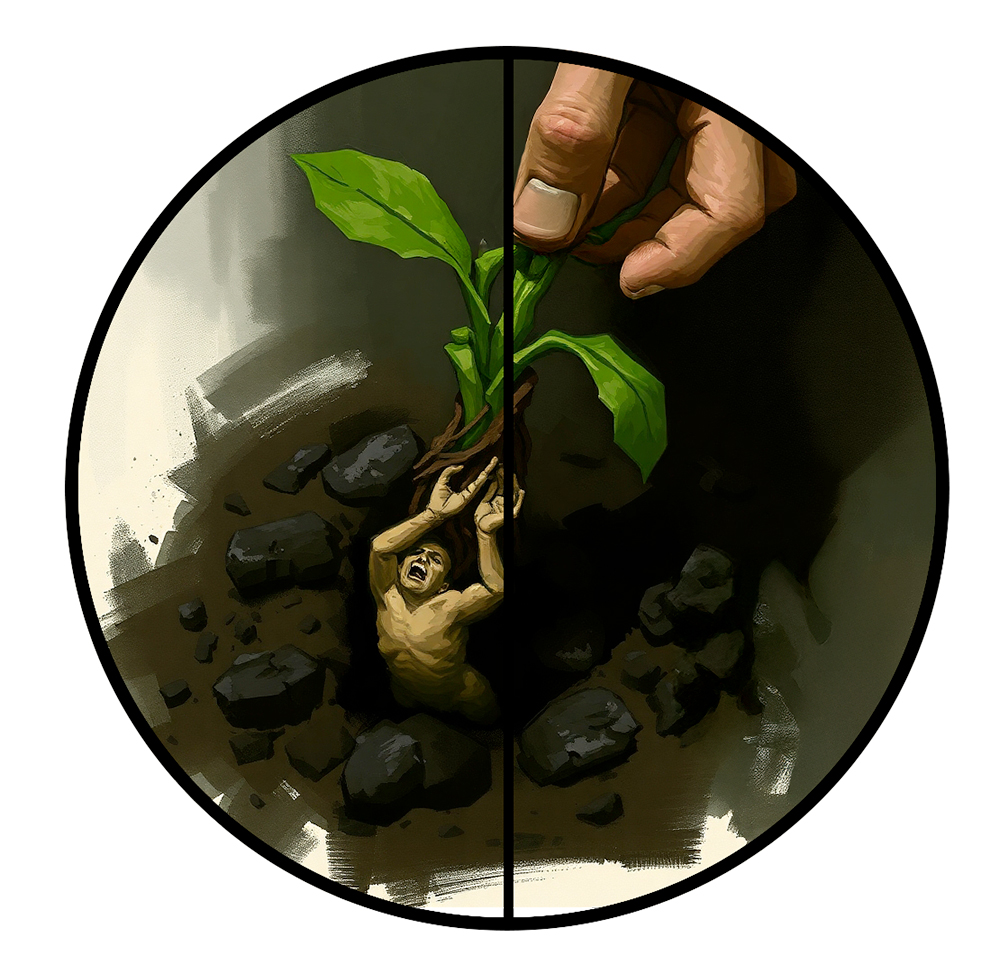
The Mandrakes have given off a fragrance, and upon the openings of ourselves Every excellent thing, new also old, beloved of myself I have treasured up for yourself!
הדודאים
(dudai) The Mandrakes, plants believed to stimulate sexual desire and promote fertility. In Genesis 30:14-16, mandrakes are sought after by Rachel for their supposed reproductive powers, reflecting the ancient beliefs in their aphrodisiacal properties. The symbolism is echoed here in Song of Songs, where the plant's scent is associated with attraction by giving of a certain "aroma" or "fragrance".....
Julia Smith Literal 1876 Translation:
None
None
LITV Translation:
None
None
Brenton Septuagint Translation:
The mandrakes have given a smell, And at our doors are all kinds of choice fruits, new and old. O my kinsman, I have kept them for thee.
The mandrakes have given a smell, And at our doors are all kinds of choice fruits, new and old. O my kinsman, I have kept them for thee.