Chapter 7
 Daniel 7:20

ועל
וְעַל־
and upon
9014
| ־
None
Definition: link
Root: None
Exhaustive: None
None
Definition: link
Root: None
Exhaustive: None
5922
| על
ʻal
Definition: {above, over, upon, or against (yet always in this last relation with a downward aspect) in a great variety of applications}
Root: (Aramaic) corresponding to H5921 (על)
Exhaustive: (Aramaic) corresponding to על; {above, over, upon, or against (yet always in this last relation with a downward aspect) in a great variety of applications}; about, against, concerning, for, (there-) fore, from, in, [idiom] more, of, (there-, up-) on, (in-) to, [phrase] why with.
ʻal
Definition: {above, over, upon, or against (yet always in this last relation with a downward aspect) in a great variety of applications}
Root: (Aramaic) corresponding to H5921 (על)
Exhaustive: (Aramaic) corresponding to על; {above, over, upon, or against (yet always in this last relation with a downward aspect) in a great variety of applications}; about, against, concerning, for, (there-) fore, from, in, [idiom] more, of, (there-, up-) on, (in-) to, [phrase] why with.
5921a
| על
ʻal
Definition: above, over, upon, or against (yet always in this last relation with a downward aspect) in a great variety of applications
Root: properly, the same as H5920 (על) used as a preposition (in the singular or plural often with prefix, or as conjunction with a particle following);
Exhaustive: properly, the same as על used as a preposition (in the singular or plural often with prefix, or as conjunction with a particle following); above, over, upon, or against (yet always in this last relation with a downward aspect) in a great variety of applications; above, according to(-ly), after, (as) against, among, and, [idiom] as, at, because of, beside (the rest of), between, beyond the time, [idiom] both and, by (reason of), [idiom] had the charge of, concerning for, in (that), (forth, out) of, (from) (off), (up-) on, over, than, through(-out), to, touching, [idiom] with.
ʻal
Definition: above, over, upon, or against (yet always in this last relation with a downward aspect) in a great variety of applications
Root: properly, the same as H5920 (על) used as a preposition (in the singular or plural often with prefix, or as conjunction with a particle following);
Exhaustive: properly, the same as על used as a preposition (in the singular or plural often with prefix, or as conjunction with a particle following); above, over, upon, or against (yet always in this last relation with a downward aspect) in a great variety of applications; above, according to(-ly), after, (as) against, among, and, [idiom] as, at, because of, beside (the rest of), between, beyond the time, [idiom] both and, by (reason of), [idiom] had the charge of, concerning for, in (that), (forth, out) of, (from) (off), (up-) on, over, than, through(-out), to, touching, [idiom] with.
9002
ו
None
Definition: and
Root: None
Exhaustive: Conjunctive vav - i.e. followed by prefix, suffix or non-verb (conjunctive) (‘and/but’)
None
Definition: and
Root: None
Exhaustive: Conjunctive vav - i.e. followed by prefix, suffix or non-verb (conjunctive) (‘and/but’)
Conjunction, Preposition
קרניא
קַרְנַיָּא
dual-horns
9010
| a
None
Definition: the
Root: None
Exhaustive: None
None
Definition: the
Root: None
Exhaustive: None
7162
| קרן
qeren
Definition: a horn (literally or for sound)
Root: (Aramaic) corresponding to H7161 (קרן);
Exhaustive: (Aramaic) corresponding to קרן; a horn (literally or for sound); horn, cornet.
qeren
Definition: a horn (literally or for sound)
Root: (Aramaic) corresponding to H7161 (קרן);
Exhaustive: (Aramaic) corresponding to קרן; a horn (literally or for sound); horn, cornet.
7161a
קרן
qeren
Definition: a horn (as projecting); by implication, a flask, cornet; by resemblance. an elephant's tooth (i.e. ivory), a corner (of the altar), a peak (of a mountain), a ray (of light); figuratively, power
Root: from H7160 (קרן);
Exhaustive: from קרן; a horn (as projecting); by implication, a flask, cornet; by resemblance. an elephant's tooth (i.e. ivory), a corner (of the altar), a peak (of a mountain), a ray (of light); figuratively, power; [idiom] hill, horn.
qeren
Definition: a horn (as projecting); by implication, a flask, cornet; by resemblance. an elephant's tooth (i.e. ivory), a corner (of the altar), a peak (of a mountain), a ray (of light); figuratively, power
Root: from H7160 (קרן);
Exhaustive: from קרן; a horn (as projecting); by implication, a flask, cornet; by resemblance. an elephant's tooth (i.e. ivory), a corner (of the altar), a peak (of a mountain), a ray (of light); figuratively, power; [idiom] hill, horn.
Noun common masculine plural determined, Particle affirmation
עשר
עֲשַׂר
ten
6236
| עשר
ʻăsar
Definition: ten
Root: (Aramaic) masculine עשרה (Aramaic); corresponding to H6235 (עשר);
Exhaustive: (Aramaic) masculine עשרה (Aramaic); corresponding to עשר; ten; ten, [phrase] twelve.
ʻăsar
Definition: ten
Root: (Aramaic) masculine עשרה (Aramaic); corresponding to H6235 (עשר);
Exhaustive: (Aramaic) masculine עשרה (Aramaic); corresponding to עשר; ten; ten, [phrase] twelve.
6235
עשר
ʻeser
Definition: ten (as an accumulation to the extent of the digits)
Root: masculine of term עשרה; from H6237 (עשר);
Exhaustive: masculine of term עשרה; from עשר; ten (as an accumulation to the extent of the digits); ten, (fif-, seven-) teen.
ʻeser
Definition: ten (as an accumulation to the extent of the digits)
Root: masculine of term עשרה; from H6237 (עשר);
Exhaustive: masculine of term עשרה; from עשר; ten (as an accumulation to the extent of the digits); ten, (fif-, seven-) teen.
Adjective cardinal number both singular absolute
די
דִּי
which
1768
| די
dîy
Definition: that, used as relative conjunction, and especially (with a preposition) in adverbial phrases; also as preposition of
Root: (Aramaic) apparently for H1668 (דא);
Exhaustive: (Aramaic) apparently for דא; that, used as relative conjunction, and especially (with a preposition) in adverbial phrases; also as preposition of; [idiom] as, but, for(-asmuch [phrase]), [phrase] now, of, seeing, than, that, therefore, until, [phrase] what (-soever), when, which, whom, whose.
dîy
Definition: that, used as relative conjunction, and especially (with a preposition) in adverbial phrases; also as preposition of
Root: (Aramaic) apparently for H1668 (דא);
Exhaustive: (Aramaic) apparently for דא; that, used as relative conjunction, and especially (with a preposition) in adverbial phrases; also as preposition of; [idiom] as, but, for(-asmuch [phrase]), [phrase] now, of, seeing, than, that, therefore, until, [phrase] what (-soever), when, which, whom, whose.
2088
זה
zeh
Definition: the masculine demonstrative pronoun, this or that
Root: a primitive word;
Exhaustive: a primitive word; the masculine demonstrative pronoun, this or that; he, [idiom] hence, [idiom] here, it(-self), [idiom] now, [idiom] of him, the one...the other, [idiom] than the other, ([idiom] out of) the (self) same, such (a one) that, these, this (hath, man), on this side...on that side, [idiom] thus, very, which. Compare זאת, זה, זו, זו.
zeh
Definition: the masculine demonstrative pronoun, this or that
Root: a primitive word;
Exhaustive: a primitive word; the masculine demonstrative pronoun, this or that; he, [idiom] hence, [idiom] here, it(-self), [idiom] now, [idiom] of him, the one...the other, [idiom] than the other, ([idiom] out of) the (self) same, such (a one) that, these, this (hath, man), on this side...on that side, [idiom] thus, very, which. Compare זאת, זה, זו, זו.
Conjunction
בראשה
בְרֵאשַׁהּ
within the head of herself
9024
| ה
None
Definition: her, personal posessive - noun suffix: 3rd person feminine singular
Root: None
Exhaustive: Personal posessive pronoun - suffix for nouns, adjectives and passive participles: 3rd person feminine singular
None
Definition: her, personal posessive - noun suffix: 3rd person feminine singular
Root: None
Exhaustive: Personal posessive pronoun - suffix for nouns, adjectives and passive participles: 3rd person feminine singular
7217
| ראש
rêʼsh
Definition: the head; figuratively, the sum
Root: (Aramaic) corresponding to H7218 (ראש);
Exhaustive: (Aramaic) corresponding to ראש; the head; figuratively, the sum; chief, head, sum.
rêʼsh
Definition: the head; figuratively, the sum
Root: (Aramaic) corresponding to H7218 (ראש);
Exhaustive: (Aramaic) corresponding to ראש; the head; figuratively, the sum; chief, head, sum.
7218a
| ראש
rôʼsh
Definition: the head (as most easily shaken), whether literal or figurative (in many applications, of place, time, rank, itc.)
Root: from an unused root apparently meaning to shake;
Exhaustive: from an unused root apparently meaning to shake; the head (as most easily shaken), whether literal or figurative (in many applications, of place, time, rank, itc.); band, beginning, captain, chapiter, chief(-est place, man, things), company, end, [idiom] every (man), excellent, first, forefront, (be-)head, height, (on) high(-est part, (priest)), [idiom] lead, [idiom] poor, principal, ruler, sum, top.
rôʼsh
Definition: the head (as most easily shaken), whether literal or figurative (in many applications, of place, time, rank, itc.)
Root: from an unused root apparently meaning to shake;
Exhaustive: from an unused root apparently meaning to shake; the head (as most easily shaken), whether literal or figurative (in many applications, of place, time, rank, itc.); band, beginning, captain, chapiter, chief(-est place, man, things), company, end, [idiom] every (man), excellent, first, forefront, (be-)head, height, (on) high(-est part, (priest)), [idiom] lead, [idiom] poor, principal, ruler, sum, top.
9003
ב
None
Definition: in, by
Root: None
Exhaustive: in, at, against, on, among, with; according to, by, because of. prefix or inseparable preposition; combined with the definite article
None
Definition: in, by
Root: None
Exhaustive: in, at, against, on, among, with; according to, by, because of. prefix or inseparable preposition; combined with the definite article
Preposition, Noun common both singular construct, Suffix pronominal third person feminine singular
ואחרי
וְאָחֳרִי
and the one behind
317
| אחרי
ʼochŏrîy
Definition: other
Root: (Aramaic) from H311 (אחר);
Exhaustive: (Aramaic) from אחר; other; (an-) other.
ʼochŏrîy
Definition: other
Root: (Aramaic) from H311 (אחר);
Exhaustive: (Aramaic) from אחר; other; (an-) other.
312
| אחר
ʼachêr
Definition: properly, hinder; generally, next, other, etc.
Root: from H309 (אחר);
Exhaustive: from אחר; properly, hinder; generally, next, other, etc.; (an-) other man, following, next, strange.
ʼachêr
Definition: properly, hinder; generally, next, other, etc.
Root: from H309 (אחר);
Exhaustive: from אחר; properly, hinder; generally, next, other, etc.; (an-) other man, following, next, strange.
9002
ו
None
Definition: and
Root: None
Exhaustive: Conjunctive vav - i.e. followed by prefix, suffix or non-verb (conjunctive) (‘and/but’)
None
Definition: and
Root: None
Exhaustive: Conjunctive vav - i.e. followed by prefix, suffix or non-verb (conjunctive) (‘and/but’)
Conjunction, Adjective adjective both singular absolute
די
דִּי
which
1768
| די
dîy
Definition: that, used as relative conjunction, and especially (with a preposition) in adverbial phrases; also as preposition of
Root: (Aramaic) apparently for H1668 (דא);
Exhaustive: (Aramaic) apparently for דא; that, used as relative conjunction, and especially (with a preposition) in adverbial phrases; also as preposition of; [idiom] as, but, for(-asmuch [phrase]), [phrase] now, of, seeing, than, that, therefore, until, [phrase] what (-soever), when, which, whom, whose.
dîy
Definition: that, used as relative conjunction, and especially (with a preposition) in adverbial phrases; also as preposition of
Root: (Aramaic) apparently for H1668 (דא);
Exhaustive: (Aramaic) apparently for דא; that, used as relative conjunction, and especially (with a preposition) in adverbial phrases; also as preposition of; [idiom] as, but, for(-asmuch [phrase]), [phrase] now, of, seeing, than, that, therefore, until, [phrase] what (-soever), when, which, whom, whose.
2088
זה
zeh
Definition: the masculine demonstrative pronoun, this or that
Root: a primitive word;
Exhaustive: a primitive word; the masculine demonstrative pronoun, this or that; he, [idiom] hence, [idiom] here, it(-self), [idiom] now, [idiom] of him, the one...the other, [idiom] than the other, ([idiom] out of) the (self) same, such (a one) that, these, this (hath, man), on this side...on that side, [idiom] thus, very, which. Compare זאת, זה, זו, זו.
zeh
Definition: the masculine demonstrative pronoun, this or that
Root: a primitive word;
Exhaustive: a primitive word; the masculine demonstrative pronoun, this or that; he, [idiom] hence, [idiom] here, it(-self), [idiom] now, [idiom] of him, the one...the other, [idiom] than the other, ([idiom] out of) the (self) same, such (a one) that, these, this (hath, man), on this side...on that side, [idiom] thus, very, which. Compare זאת, זה, זו, זו.
Conjunction
סלקת
סִלְקַת
she has climbed up
5559
| סלק
çᵉliq
Definition: to ascend
Root: (Aramaic) a primitive root;
Exhaustive: (Aramaic) a primitive root; to ascend; come (up).
çᵉliq
Definition: to ascend
Root: (Aramaic) a primitive root;
Exhaustive: (Aramaic) a primitive root; to ascend; come (up).
5266
נסק
nâçaq
Definition: to go up
Root: a primitive root;
Exhaustive: a primitive root; to go up; ascend.
nâçaq
Definition: to go up
Root: a primitive root;
Exhaustive: a primitive root; to go up; ascend.
Verb peal perfect third person feminine singular
ונפלו
וּנְפַלוּ
and they fell
5308
| נפל
nᵉphal
Definition: {to fall, in a great variety of applications (intransitive or causative, literal or figurative)}
Root: (Aramaic) corresponding to H5307 (נפל)
Exhaustive: (Aramaic) corresponding to נפל; {to fall, in a great variety of applications (intransitive or causative, literal or figurative)}; fall (down), have occasion.
nᵉphal
Definition: {to fall, in a great variety of applications (intransitive or causative, literal or figurative)}
Root: (Aramaic) corresponding to H5307 (נפל)
Exhaustive: (Aramaic) corresponding to נפל; {to fall, in a great variety of applications (intransitive or causative, literal or figurative)}; fall (down), have occasion.
5307
| נפל
nâphal
Definition: to fall, in a great variety of applications (intransitive or causative, literal or figurative)
Root: a primitive root;
Exhaustive: a primitive root; to fall, in a great variety of applications (intransitive or causative, literal or figurative); be accepted, cast (down, self, (lots), out), cease, die, divide (by lot), (let) fail, (cause to, let, make, ready to) fall (away, down, -en, -ing), fell(-ing), fugitive, have (inheritance), inferior, be judged (by mistake for פלל), lay (along), (cause to) lie down, light (down), be ([idiom] hast) lost, lying, overthrow, overwhelm, perish, present(-ed, -ing), (make to) rot, slay, smite out, [idiom] surely, throw down.
nâphal
Definition: to fall, in a great variety of applications (intransitive or causative, literal or figurative)
Root: a primitive root;
Exhaustive: a primitive root; to fall, in a great variety of applications (intransitive or causative, literal or figurative); be accepted, cast (down, self, (lots), out), cease, die, divide (by lot), (let) fail, (cause to, let, make, ready to) fall (away, down, -en, -ing), fell(-ing), fugitive, have (inheritance), inferior, be judged (by mistake for פלל), lay (along), (cause to) lie down, light (down), be ([idiom] hast) lost, lying, overthrow, overwhelm, perish, present(-ed, -ing), (make to) rot, slay, smite out, [idiom] surely, throw down.
9002
ו
None
Definition: and
Root: None
Exhaustive: Conjunctive vav - i.e. followed by prefix, suffix or non-verb (conjunctive) (‘and/but’)
None
Definition: and
Root: None
Exhaustive: Conjunctive vav - i.e. followed by prefix, suffix or non-verb (conjunctive) (‘and/but’)
Conjunction, Verb peal perfect third person masculine plural
מן
מִן־
from out of
9014
| ־
None
Definition: link
Root: None
Exhaustive: None
None
Definition: link
Root: None
Exhaustive: None
4481
| מן
min
Definition: {properly, a part of; hence (prepositionally), from or out of}
Root: (Aramaic) corresponding to H4480 (מן)
Exhaustive: (Aramaic) corresponding to מן; {properly, a part of; hence (prepositionally), from or out of}; according, after, [phrase] because, [phrase] before, by, for, from, [idiom] him, [idiom] more than, (out) of, part, since, [idiom] these, to, upon, [phrase] when.
min
Definition: {properly, a part of; hence (prepositionally), from or out of}
Root: (Aramaic) corresponding to H4480 (מן)
Exhaustive: (Aramaic) corresponding to מן; {properly, a part of; hence (prepositionally), from or out of}; according, after, [phrase] because, [phrase] before, by, for, from, [idiom] him, [idiom] more than, (out) of, part, since, [idiom] these, to, upon, [phrase] when.
4480a
מן
min
Definition: properly, a part of; hence (prepositionally), from or out of in many senses
Root: or מני; or מני; (constructive plural) (Isaiah 30:11); for H4482 (מן);
Exhaustive: or מני; or מני; (constructive plural) (Isaiah 30:11); for מן; properly, a part of; hence (prepositionally), from or out of in many senses; above, after, among, at, because of, by (reason of), from (among), in, [idiom] neither, [idiom] nor, (out) of, over, since, [idiom] then, through, [idiom] whether, with.
min
Definition: properly, a part of; hence (prepositionally), from or out of in many senses
Root: or מני; or מני; (constructive plural) (Isaiah 30:11); for H4482 (מן);
Exhaustive: or מני; or מני; (constructive plural) (Isaiah 30:11); for מן; properly, a part of; hence (prepositionally), from or out of in many senses; above, after, among, at, because of, by (reason of), from (among), in, [idiom] neither, [idiom] nor, (out) of, over, since, [idiom] then, through, [idiom] whether, with.
Preposition
קדמיה
קֳדָמַיַּהּ
in front of herself
9034
| ה
None
Definition: her, personal pronoun - verb/prep. 3rd person feminine singular
Root: None
Exhaustive: Personal object pronoun - suffix for propositions and verbs without an object: 3rd person feminine singular
None
Definition: her, personal pronoun - verb/prep. 3rd person feminine singular
Root: None
Exhaustive: Personal object pronoun - suffix for propositions and verbs without an object: 3rd person feminine singular
6925
קדם
qŏdâm
Definition: before
Root: (Aramaic) or קדם; (Aramaic) (Daniel 7:13), corresponding to H6924 (קדם);
Exhaustive: (Aramaic) or קדם; (Aramaic) (Daniel 7:13), corresponding to קדם; before; before, [idiom] from, [idiom] I (thought), [idiom] me, [phrase] of, [idiom] it pleased, presence.
qŏdâm
Definition: before
Root: (Aramaic) or קדם; (Aramaic) (Daniel 7:13), corresponding to H6924 (קדם);
Exhaustive: (Aramaic) or קדם; (Aramaic) (Daniel 7:13), corresponding to קדם; before; before, [idiom] from, [idiom] I (thought), [idiom] me, [phrase] of, [idiom] it pleased, presence.
Noun common both singular construct, Suffix pronominal third person feminine singular
תלת
תְּלָת
three
8532
| תלת
tᵉlâth
Definition: three or third
Root: (Aramaic) masculine תלתה; (Aramaic), or תלתא; (Aramaic), corresponding to H7969 (שלוש);
Exhaustive: (Aramaic) masculine תלתה; (Aramaic), or תלתא; (Aramaic), corresponding to שלוש; three or third; third, three.
tᵉlâth
Definition: three or third
Root: (Aramaic) masculine תלתה; (Aramaic), or תלתא; (Aramaic), corresponding to H7969 (שלוש);
Exhaustive: (Aramaic) masculine תלתה; (Aramaic), or תלתא; (Aramaic), corresponding to שלוש; three or third; third, three.
7969
שלוש
shâlôwsh
Definition: three; occasionally (ordinal) third, or (multiple) thrice
Root: or שלש; masculine שלושה; or שלשה; a primitive number;
Exhaustive: or שלש; masculine שלושה; or שלשה; a primitive number; three; occasionally (ordinal) third, or (multiple) thrice; [phrase] fork, [phrase] often(-times), third, thir(-teen, -teenth), three, [phrase] thrice. Compare שליש.
shâlôwsh
Definition: three; occasionally (ordinal) third, or (multiple) thrice
Root: or שלש; masculine שלושה; or שלשה; a primitive number;
Exhaustive: or שלש; masculine שלושה; or שלשה; a primitive number; three; occasionally (ordinal) third, or (multiple) thrice; [phrase] fork, [phrase] often(-times), third, thir(-teen, -teenth), three, [phrase] thrice. Compare שליש.
Adjective cardinal number both singular absolute
וקרנא
וְקַרְנָא
and the Horn
9010
| a
None
Definition: the
Root: None
Exhaustive: None
None
Definition: the
Root: None
Exhaustive: None
7162
| קרן
qeren
Definition: a horn (literally or for sound)
Root: (Aramaic) corresponding to H7161 (קרן);
Exhaustive: (Aramaic) corresponding to קרן; a horn (literally or for sound); horn, cornet.
qeren
Definition: a horn (literally or for sound)
Root: (Aramaic) corresponding to H7161 (קרן);
Exhaustive: (Aramaic) corresponding to קרן; a horn (literally or for sound); horn, cornet.
7161a
| קרן
qeren
Definition: a horn (as projecting); by implication, a flask, cornet; by resemblance. an elephant's tooth (i.e. ivory), a corner (of the altar), a peak (of a mountain), a ray (of light); figuratively, power
Root: from H7160 (קרן);
Exhaustive: from קרן; a horn (as projecting); by implication, a flask, cornet; by resemblance. an elephant's tooth (i.e. ivory), a corner (of the altar), a peak (of a mountain), a ray (of light); figuratively, power; [idiom] hill, horn.
qeren
Definition: a horn (as projecting); by implication, a flask, cornet; by resemblance. an elephant's tooth (i.e. ivory), a corner (of the altar), a peak (of a mountain), a ray (of light); figuratively, power
Root: from H7160 (קרן);
Exhaustive: from קרן; a horn (as projecting); by implication, a flask, cornet; by resemblance. an elephant's tooth (i.e. ivory), a corner (of the altar), a peak (of a mountain), a ray (of light); figuratively, power; [idiom] hill, horn.
9002
ו
None
Definition: and
Root: None
Exhaustive: Conjunctive vav - i.e. followed by prefix, suffix or non-verb (conjunctive) (‘and/but’)
None
Definition: and
Root: None
Exhaustive: Conjunctive vav - i.e. followed by prefix, suffix or non-verb (conjunctive) (‘and/but’)
Conjunction, Noun common both singular determined, Particle affirmation
דכן
דִכֵּ֜ן
crushed
1797
| דכן
dikkên
Definition: this
Root: (Aramaic) prolonged from H1791 (דך);
Exhaustive: (Aramaic) prolonged from דך; this; same, that, this.
dikkên
Definition: this
Root: (Aramaic) prolonged from H1791 (דך);
Exhaustive: (Aramaic) prolonged from דך; this; same, that, this.
2088
זה
zeh
Definition: the masculine demonstrative pronoun, this or that
Root: a primitive word;
Exhaustive: a primitive word; the masculine demonstrative pronoun, this or that; he, [idiom] hence, [idiom] here, it(-self), [idiom] now, [idiom] of him, the one...the other, [idiom] than the other, ([idiom] out of) the (self) same, such (a one) that, these, this (hath, man), on this side...on that side, [idiom] thus, very, which. Compare זאת, זה, זו, זו.
zeh
Definition: the masculine demonstrative pronoun, this or that
Root: a primitive word;
Exhaustive: a primitive word; the masculine demonstrative pronoun, this or that; he, [idiom] hence, [idiom] here, it(-self), [idiom] now, [idiom] of him, the one...the other, [idiom] than the other, ([idiom] out of) the (self) same, such (a one) that, these, this (hath, man), on this side...on that side, [idiom] thus, very, which. Compare זאת, זה, זו, זו.
Particle demonstrative
ועינין
וְעַיְנִין
and eyes
5870
| עין
ʻayin
Definition: an eye
Root: (Aramaic) corresponding to H5869 (עין);
Exhaustive: (Aramaic) corresponding to עין; an eye; eye.
ʻayin
Definition: an eye
Root: (Aramaic) corresponding to H5869 (עין);
Exhaustive: (Aramaic) corresponding to עין; an eye; eye.
5869a
| עין
ʻayin
Definition: an eye (literally or figuratively); by analogy, a fountain (as the eye of the landscape)
Root: probably a primitive word;
Exhaustive: probably a primitive word; an eye (literally or figuratively); by analogy, a fountain (as the eye of the landscape); affliction, outward appearance, [phrase] before, [phrase] think best, colour, conceit, [phrase] be content, countenance, [phrase] displease, eye((-brow), (-d), -sight), face, [phrase] favour, fountain, furrow (from the margin), [idiom] him, [phrase] humble, knowledge, look, ([phrase] well), [idiom] me, open(-ly), [phrase] (not) please, presence, [phrase] regard, resemblance, sight, [idiom] thee, [idiom] them, [phrase] think, [idiom] us, well, [idiom] you(-rselves).
ʻayin
Definition: an eye (literally or figuratively); by analogy, a fountain (as the eye of the landscape)
Root: probably a primitive word;
Exhaustive: probably a primitive word; an eye (literally or figuratively); by analogy, a fountain (as the eye of the landscape); affliction, outward appearance, [phrase] before, [phrase] think best, colour, conceit, [phrase] be content, countenance, [phrase] displease, eye((-brow), (-d), -sight), face, [phrase] favour, fountain, furrow (from the margin), [idiom] him, [phrase] humble, knowledge, look, ([phrase] well), [idiom] me, open(-ly), [phrase] (not) please, presence, [phrase] regard, resemblance, sight, [idiom] thee, [idiom] them, [phrase] think, [idiom] us, well, [idiom] you(-rselves).
9002
ו
None
Definition: and
Root: None
Exhaustive: Conjunctive vav - i.e. followed by prefix, suffix or non-verb (conjunctive) (‘and/but’)
None
Definition: and
Root: None
Exhaustive: Conjunctive vav - i.e. followed by prefix, suffix or non-verb (conjunctive) (‘and/but’)
Conjunction, Noun common masculine plural absolute
לה
לַ֗הּ
to herself
9034
| ה
None
Definition: her, personal pronoun - verb/prep. 3rd person feminine singular
Root: None
Exhaustive: Personal object pronoun - suffix for propositions and verbs without an object: 3rd person feminine singular
None
Definition: her, personal pronoun - verb/prep. 3rd person feminine singular
Root: None
Exhaustive: Personal object pronoun - suffix for propositions and verbs without an object: 3rd person feminine singular
9005
ל
None
Definition: to, for
Root: None
Exhaustive: None
None
Definition: to, for
Root: None
Exhaustive: None
Preposition, Suffix pronominal third person feminine singular
ופם
וְפֻם
and a mouth
6433
| פם
pum
Definition: the mouth (literally or figuratively)
Root: (Aramaic) probably for H6310 (פה);
Exhaustive: (Aramaic) probably for פה; the mouth (literally or figuratively); mouth.
pum
Definition: the mouth (literally or figuratively)
Root: (Aramaic) probably for H6310 (פה);
Exhaustive: (Aramaic) probably for פה; the mouth (literally or figuratively); mouth.
6310
| פה
peh
Definition: the mouth (as the means of blowing), whether literal or figurative (particularly speech); specifically edge, portion or side; adverbially (with preposition) according to
Root: from H6284 (פאה);
Exhaustive: from פאה; the mouth (as the means of blowing), whether literal or figurative (particularly speech); specifically edge, portion or side; adverbially (with preposition) according to; accord(-ing as, -ing to), after, appointment, assent, collar, command(-ment), [idiom] eat, edge, end, entry, [phrase] file, hole, [idiom] in, mind, mouth, part, portion, [idiom] (should) say(-ing), sentence, skirt, sound, speech, [idiom] spoken, talk, tenor, [idiom] to, [phrase] two-edged, wish, word.
peh
Definition: the mouth (as the means of blowing), whether literal or figurative (particularly speech); specifically edge, portion or side; adverbially (with preposition) according to
Root: from H6284 (פאה);
Exhaustive: from פאה; the mouth (as the means of blowing), whether literal or figurative (particularly speech); specifically edge, portion or side; adverbially (with preposition) according to; accord(-ing as, -ing to), after, appointment, assent, collar, command(-ment), [idiom] eat, edge, end, entry, [phrase] file, hole, [idiom] in, mind, mouth, part, portion, [idiom] (should) say(-ing), sentence, skirt, sound, speech, [idiom] spoken, talk, tenor, [idiom] to, [phrase] two-edged, wish, word.
9002
ו
None
Definition: and
Root: None
Exhaustive: Conjunctive vav - i.e. followed by prefix, suffix or non-verb (conjunctive) (‘and/but’)
None
Definition: and
Root: None
Exhaustive: Conjunctive vav - i.e. followed by prefix, suffix or non-verb (conjunctive) (‘and/but’)
Conjunction, Noun common both singular absolute
ממלל
מְמַלִּל
him who chatters
4449
| מלל
mᵉlal
Definition: to speak
Root: (Aramaic) corresponding to H4448 (מלל);
Exhaustive: (Aramaic) corresponding to מלל; to speak; say, speak(-ing).
mᵉlal
Definition: to speak
Root: (Aramaic) corresponding to H4448 (מלל);
Exhaustive: (Aramaic) corresponding to מלל; to speak; say, speak(-ing).
4448a
מלל
mâlal
Definition: to speak (mostly poetical) or say
Root: a primitive root;
Exhaustive: a primitive root; to speak (mostly poetical) or say; say, speak, utter.
mâlal
Definition: to speak (mostly poetical) or say
Root: a primitive root;
Exhaustive: a primitive root; to speak (mostly poetical) or say; say, speak, utter.
Verb pael participle active masculine singular absolute
רברבן
רַבְרְבָן
mega ones
7260
| רברב
rabrab
Definition: huge (in size); domineering (in character)
Root: (Aramaic) from H7229 (רב);
Exhaustive: (Aramaic) from רב; huge (in size); domineering (in character); (very) great (things).
rabrab
Definition: huge (in size); domineering (in character)
Root: (Aramaic) from H7229 (רב);
Exhaustive: (Aramaic) from רב; huge (in size); domineering (in character); (very) great (things).
7227a
רב
rab
Definition: abundant (in quantity, size, age, number, rank, quality)
Root: by contracted from H7231 (רבב);
Exhaustive: by contracted from רבב; abundant (in quantity, size, age, number, rank, quality); (in) abound(-undance, -ant, -antly), captain, elder, enough, exceedingly, full, great(-ly, man, one), increase, long (enough, (time)), (do, have) many(-ifold, things, a time), (ship-)master, mighty, more, (too, very) much, multiply(-tude), officer, often(-times), plenteous, populous, prince, process (of time), suffice(-lent).
rab
Definition: abundant (in quantity, size, age, number, rank, quality)
Root: by contracted from H7231 (רבב);
Exhaustive: by contracted from רבב; abundant (in quantity, size, age, number, rank, quality); (in) abound(-undance, -ant, -antly), captain, elder, enough, exceedingly, full, great(-ly, man, one), increase, long (enough, (time)), (do, have) many(-ifold, things, a time), (ship-)master, mighty, more, (too, very) much, multiply(-tude), officer, often(-times), plenteous, populous, prince, process (of time), suffice(-lent).
Adjective adjective feminine plural absolute
וחזוה
וְחֶזְוַהּ
and I saw
9024
| ה
None
Definition: her, personal posessive - noun suffix: 3rd person feminine singular
Root: None
Exhaustive: Personal posessive pronoun - suffix for nouns, adjectives and passive participles: 3rd person feminine singular
None
Definition: her, personal posessive - noun suffix: 3rd person feminine singular
Root: None
Exhaustive: Personal posessive pronoun - suffix for nouns, adjectives and passive participles: 3rd person feminine singular
2376
| חזו
chêzêv
Definition: a sight
Root: (Aramaic) from H2370 (חזא);
Exhaustive: (Aramaic) from חזא; a sight; look, vision.
chêzêv
Definition: a sight
Root: (Aramaic) from H2370 (חזא);
Exhaustive: (Aramaic) from חזא; a sight; look, vision.
2377
| חזון
châzôwn
Definition: a sight (mentally), i.e. a dream, revelation, or oracle
Root: from H2372 (חזה);
Exhaustive: from חזה; a sight (mentally), i.e. a dream, revelation, or oracle; vision.
châzôwn
Definition: a sight (mentally), i.e. a dream, revelation, or oracle
Root: from H2372 (חזה);
Exhaustive: from חזה; a sight (mentally), i.e. a dream, revelation, or oracle; vision.
9002
ו
None
Definition: and
Root: None
Exhaustive: Conjunctive vav - i.e. followed by prefix, suffix or non-verb (conjunctive) (‘and/but’)
None
Definition: and
Root: None
Exhaustive: Conjunctive vav - i.e. followed by prefix, suffix or non-verb (conjunctive) (‘and/but’)
Conjunction, Noun common both singular construct, Suffix pronominal third person feminine singular
רב
רַב
multiplying one/abundantly
7229
| רב
rab
Definition: {abundant}
Root: (Aramaic) corresponding to H7227 (רב)
Exhaustive: (Aramaic) corresponding to רב; {abundant}; captain, chief, great, lord, master, stout.
rab
Definition: {abundant}
Root: (Aramaic) corresponding to H7227 (רב)
Exhaustive: (Aramaic) corresponding to רב; {abundant}; captain, chief, great, lord, master, stout.
7227a
רב
rab
Definition: abundant (in quantity, size, age, number, rank, quality)
Root: by contracted from H7231 (רבב);
Exhaustive: by contracted from רבב; abundant (in quantity, size, age, number, rank, quality); (in) abound(-undance, -ant, -antly), captain, elder, enough, exceedingly, full, great(-ly, man, one), increase, long (enough, (time)), (do, have) many(-ifold, things, a time), (ship-)master, mighty, more, (too, very) much, multiply(-tude), officer, often(-times), plenteous, populous, prince, process (of time), suffice(-lent).
rab
Definition: abundant (in quantity, size, age, number, rank, quality)
Root: by contracted from H7231 (רבב);
Exhaustive: by contracted from רבב; abundant (in quantity, size, age, number, rank, quality); (in) abound(-undance, -ant, -antly), captain, elder, enough, exceedingly, full, great(-ly, man, one), increase, long (enough, (time)), (do, have) many(-ifold, things, a time), (ship-)master, mighty, more, (too, very) much, multiply(-tude), officer, often(-times), plenteous, populous, prince, process (of time), suffice(-lent).
Adjective adjective both singular absolute
מן
מִן־
from out of
9014
| ־
None
Definition: link
Root: None
Exhaustive: None
None
Definition: link
Root: None
Exhaustive: None
4481
| מן
min
Definition: {properly, a part of; hence (prepositionally), from or out of}
Root: (Aramaic) corresponding to H4480 (מן)
Exhaustive: (Aramaic) corresponding to מן; {properly, a part of; hence (prepositionally), from or out of}; according, after, [phrase] because, [phrase] before, by, for, from, [idiom] him, [idiom] more than, (out) of, part, since, [idiom] these, to, upon, [phrase] when.
min
Definition: {properly, a part of; hence (prepositionally), from or out of}
Root: (Aramaic) corresponding to H4480 (מן)
Exhaustive: (Aramaic) corresponding to מן; {properly, a part of; hence (prepositionally), from or out of}; according, after, [phrase] because, [phrase] before, by, for, from, [idiom] him, [idiom] more than, (out) of, part, since, [idiom] these, to, upon, [phrase] when.
4480a
מן
min
Definition: properly, a part of; hence (prepositionally), from or out of in many senses
Root: or מני; or מני; (constructive plural) (Isaiah 30:11); for H4482 (מן);
Exhaustive: or מני; or מני; (constructive plural) (Isaiah 30:11); for מן; properly, a part of; hence (prepositionally), from or out of in many senses; above, after, among, at, because of, by (reason of), from (among), in, [idiom] neither, [idiom] nor, (out) of, over, since, [idiom] then, through, [idiom] whether, with.
min
Definition: properly, a part of; hence (prepositionally), from or out of in many senses
Root: or מני; or מני; (constructive plural) (Isaiah 30:11); for H4482 (מן);
Exhaustive: or מני; or מני; (constructive plural) (Isaiah 30:11); for מן; properly, a part of; hence (prepositionally), from or out of in many senses; above, after, among, at, because of, by (reason of), from (among), in, [idiom] neither, [idiom] nor, (out) of, over, since, [idiom] then, through, [idiom] whether, with.
Preposition
חברתה
חַבְרָתַהּ׃
companion of herself
9016
None
Definition: verseEnd
Root: None
Exhaustive: None
| None
Definition: verseEnd
Root: None
Exhaustive: None
9024
| ה
None
Definition: her, personal posessive - noun suffix: 3rd person feminine singular
Root: None
Exhaustive: Personal posessive pronoun - suffix for nouns, adjectives and passive participles: 3rd person feminine singular
None
Definition: her, personal posessive - noun suffix: 3rd person feminine singular
Root: None
Exhaustive: Personal posessive pronoun - suffix for nouns, adjectives and passive participles: 3rd person feminine singular
2273
| חברה
chabrâh
Definition: an associate
Root: (Aramaic) feminine of H2269 (חבר);
Exhaustive: (Aramaic) feminine of חבר; an associate; other.
chabrâh
Definition: an associate
Root: (Aramaic) feminine of H2269 (חבר);
Exhaustive: (Aramaic) feminine of חבר; an associate; other.
2270
חבר
châbêr
Definition: an associate
Root: from H2266 (חבר);
Exhaustive: from חבר; an associate; companion, fellow, knit together.
châbêr
Definition: an associate
Root: from H2266 (חבר);
Exhaustive: from חבר; an associate; companion, fellow, knit together.
Noun common feminine plural construct, Suffix pronominal third person feminine singular
RBT Translation:
and upon dual-horns ten which within the head of herself and the one behind which she has climbed up and they fell from out of in front of herself three and the Horn crushed and eyes to herself/himself and a mouth him who chatters mega ones and I saw great one from out of companion of herself
RBT Paraphrase:
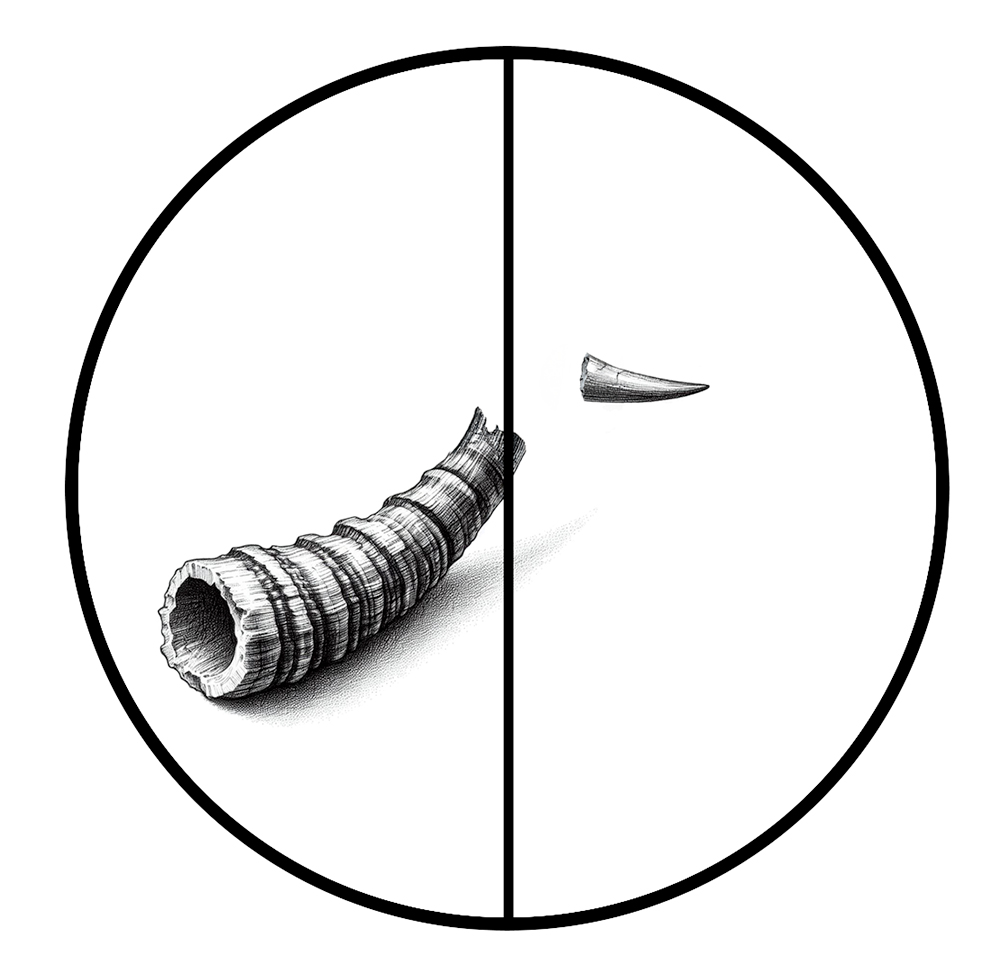
The Wound of Herself, The Head
And against the ten Dual Horns which are within the head of herself, and behind whom she has climbed up, and three have fallen from out of the front of herself, and the Horn is a crushed one,3 and she has eyes, and a mouth of him who chatters mega things, and the vision of herself is greater than the companion of herself. דך #1790 - Crushing blow of the Horn.
Julia Smith Literal 1876 Translation:
And concerning the ten horns that were upon its head, and the other that went up, and three fell from before it; and this horn and eyes to it, and a mouth speaking great things, and its sight great above its companions.
And concerning the ten horns that were upon its head, and the other that went up, and three fell from before it; and this horn and eyes to it, and a mouth speaking great things, and its sight great above its companions.
LITV Translation:
also of the ten horns that were on its head, and the other which came up, and before whom three fell, even that horn that had eyes, and a mouth speaking great things, and its look was greater than his fellows.
also of the ten horns that were on its head, and the other which came up, and before whom three fell, even that horn that had eyes, and a mouth speaking great things, and its look was greater than his fellows.
Brenton Septuagint Translation:
and concerning its ten horns that were in its head, and the other that came up, and rooted up some of the former, which had eyes, and a mouth speaking great things, and his look was bolder than the rest.
and concerning its ten horns that were in its head, and the other that came up, and rooted up some of the former, which had eyes, and a mouth speaking great things, and his look was bolder than the rest.
Footnotes
| Dan. 7:20 | Dan. 7:20 The Aramaic וקרנא דכן is a complete phrase/clause, so it makes no sense to translate it "this horn." The scholars labeled the word דכן (Strong's #1797) as a "prolonged form" of דך which means "this/that" (Strong's #1791). It is only found a few times in Daniel. The word is derived from (Strong's # 1790) דך which means "crushed/broken/oppressed". It is similar to דכא (Strong's #1795) meaning "crushed/emasculated", which is derived from the verb דכה to crush: "He is not entering, he who is emasculated/crushed [דכא], and he who is severed she has poured out." (Deuteronomy 23:1 RBT) |